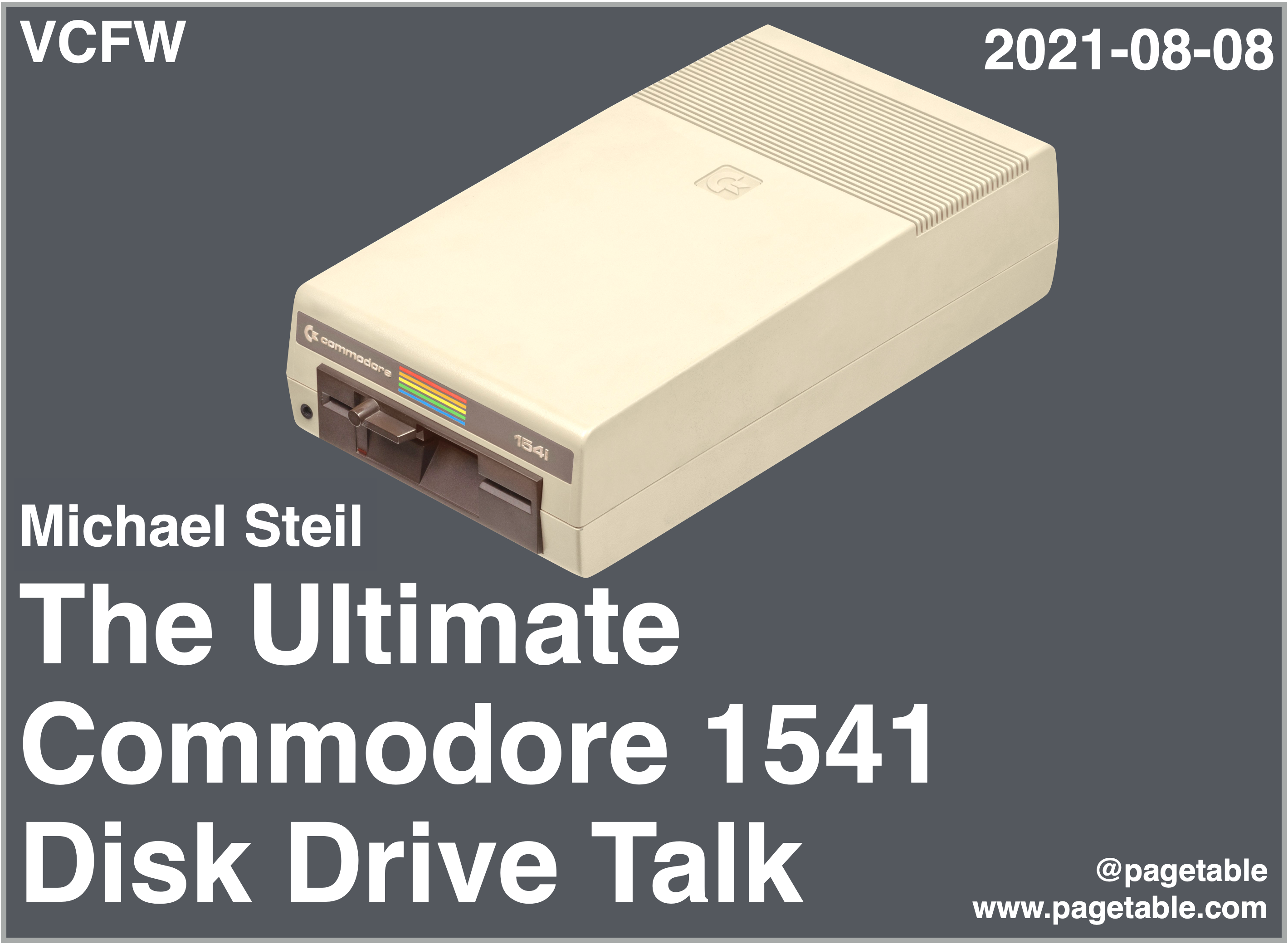
Commodore Disk Drive 1570/1571 Bedienungshandbuch [PDF]
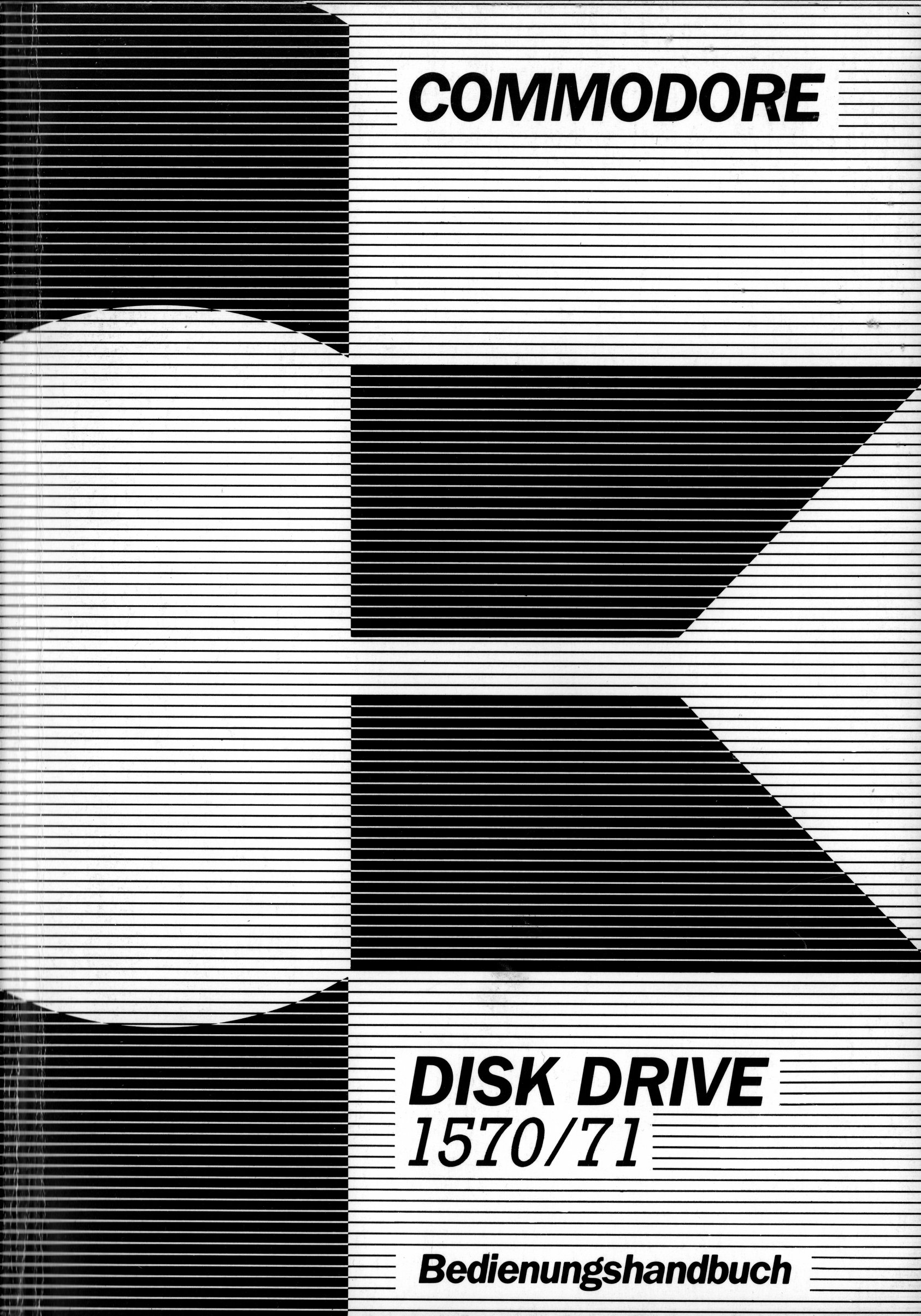
Commodore Business Machines:
Commodore Disk Drive 1570/1571 Bedienungshandbuch
1985.
(164 pages, 27 MB)
Danke an Dirk Wagner für die Bereitstellung des Buchs.
Some Assembly Required
Commodore Business Machines:
Commodore Disk Drive 1570/1571 Bedienungshandbuch
1985.
(164 pages, 27 MB)
Danke an Dirk Wagner für die Bereitstellung des Buchs.
This is a collection of 111 Commodore 64/128 disk images from a box of CMD FD-2000 high-density floppy disks. The disks came from the estate of Klaus Finke (1945–2016), a GEOS community organizer from Suhl, Thuringia.
This is the video recording of “The Ultimate Commodore 1541 Disk Drive Talk” at VCF West 2021. As always, if you think it’s too fast, try watching it at 0.75x speed!
Dieser Vortrag wurde am 11. Oktober 2020 auf dem (virtuellen) Vintage Computing Festival Berlin gehalten.
This post is about an upcoming talk in German.
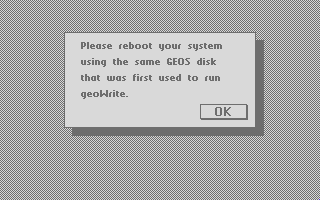
In the series about the internals of the geoWrite WYSIWYG text editor for the C64, this article discusses the geoWrite copy protection.
We are presenting the (to our knowledge) first full-featured open source library for 65c02 CPUs for accessing FAT32 formatted disks.
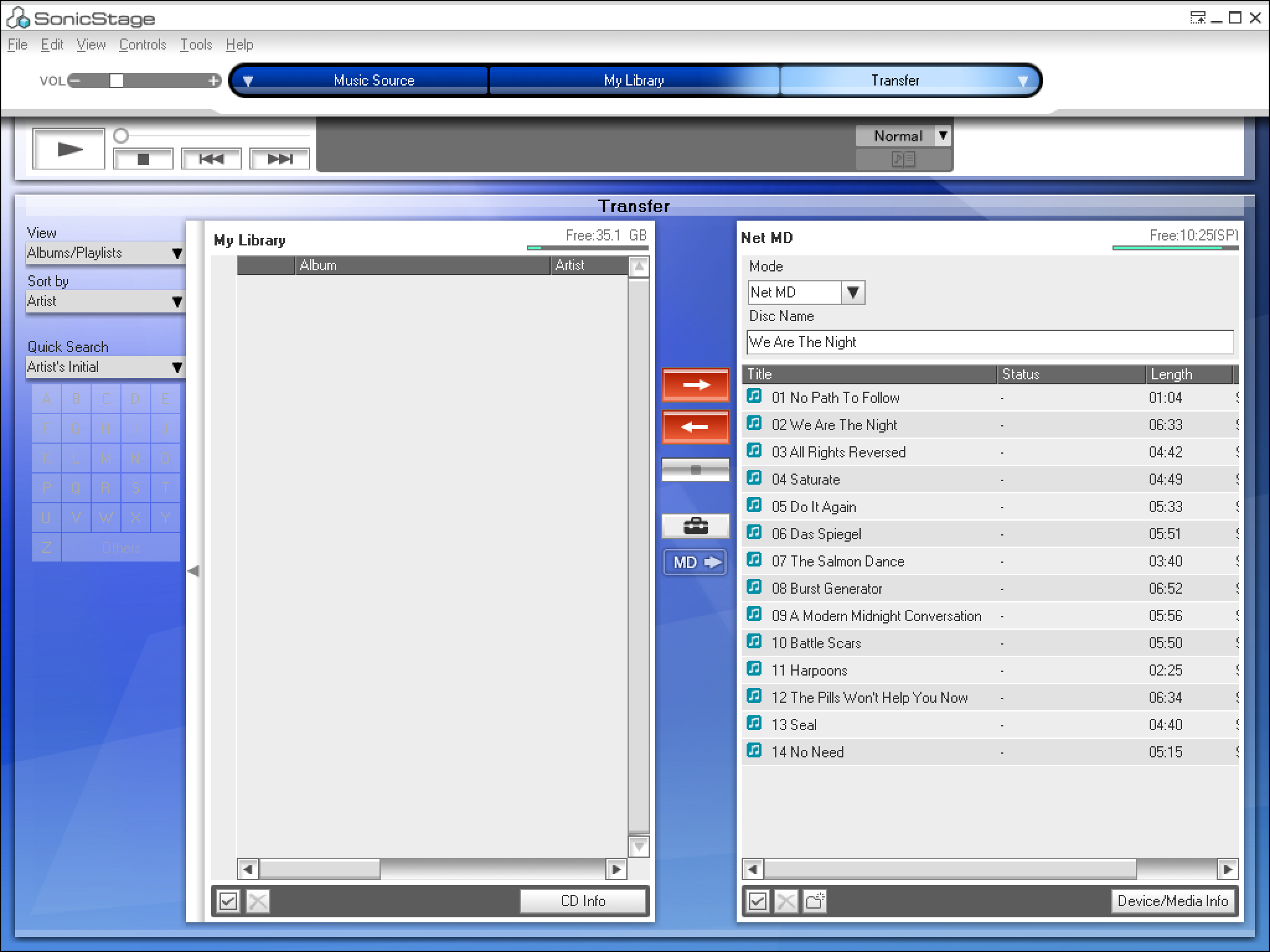
Update 2022: Web MiniDisc Pro can access NetMD devices through the browser and can also download protected files!

We have previously visualized the physical layout of C64/1541 disks. In order to understand the encoding and potential read errors, it is more useful to visualize the disks sector-by-sector.

Many old Commodore 64/1541 disks have read errors, but this doesn’t mean the data isn’t recoverable – with the right nibtools settings and some cleaning.
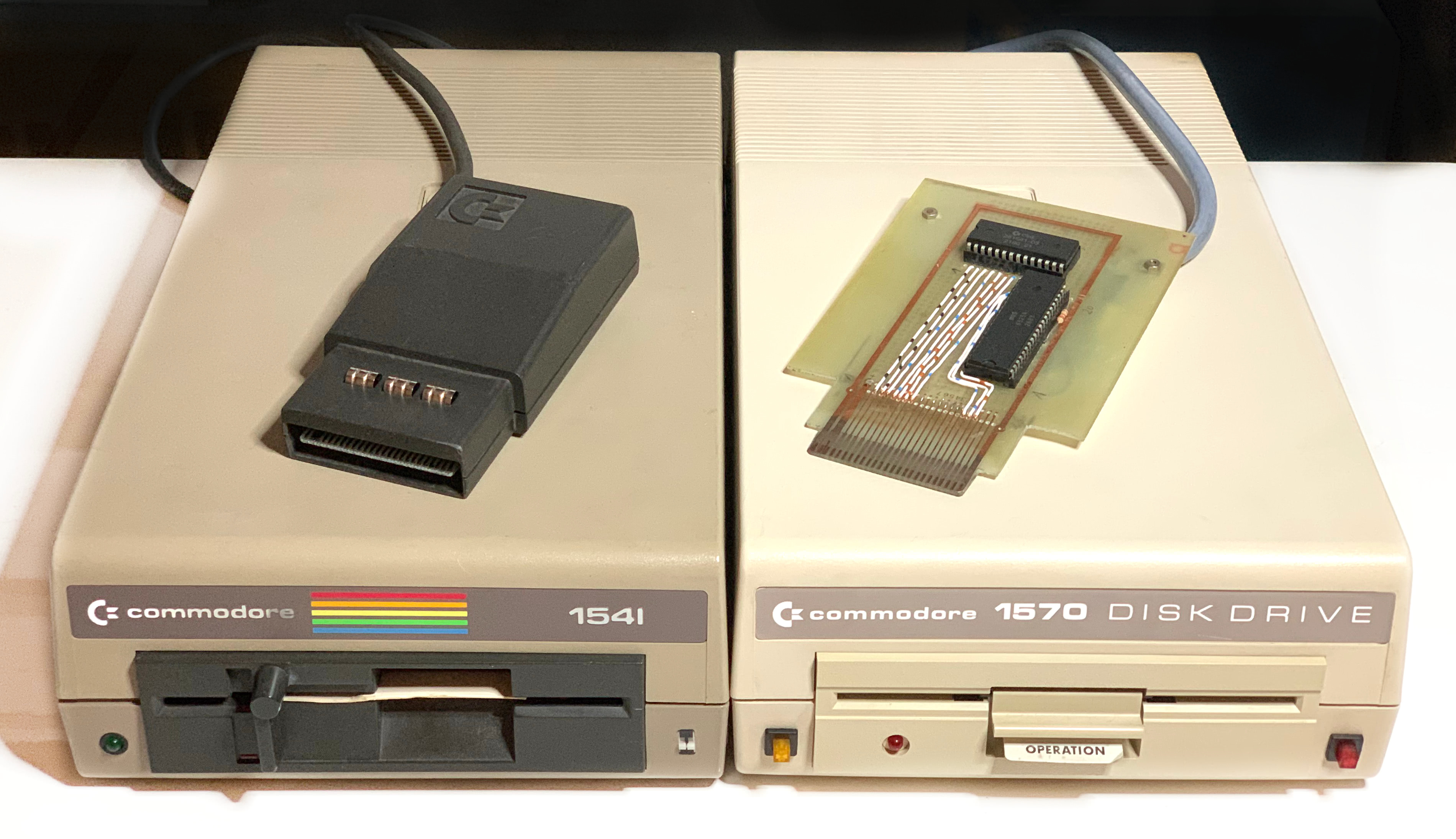
The 1551 is the weird outlier in the family of Commodore disk drives: It is the only drive using the “TCBM” bus instead of Serial or IEEE-488. And what’s even weirder? 1541 and 1570 drives converted into 1551s!
There have been a few new interesting additions to the Commodore Source Code repository, including:
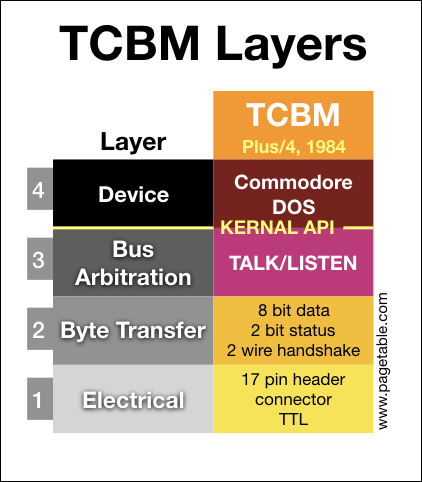
In the series about the variants of the Commodore Peripheral Bus family, this article covers the lowest two layers (electrical and byte transfer) of the “TCBM” bus as found on the TED series computers: the C16, C116 and the Plus/4.
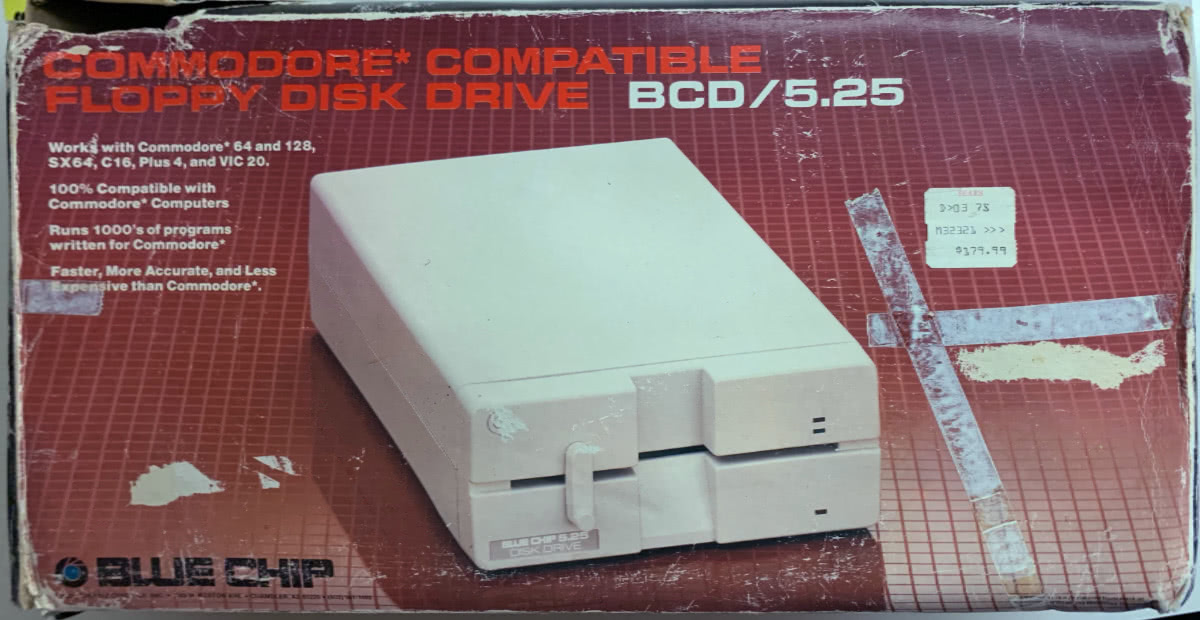
After previously dissecting the firmware of alternate C64 disk drives, let’s now look at the hardware of one: This is the Blue Chip BCD/5.25.
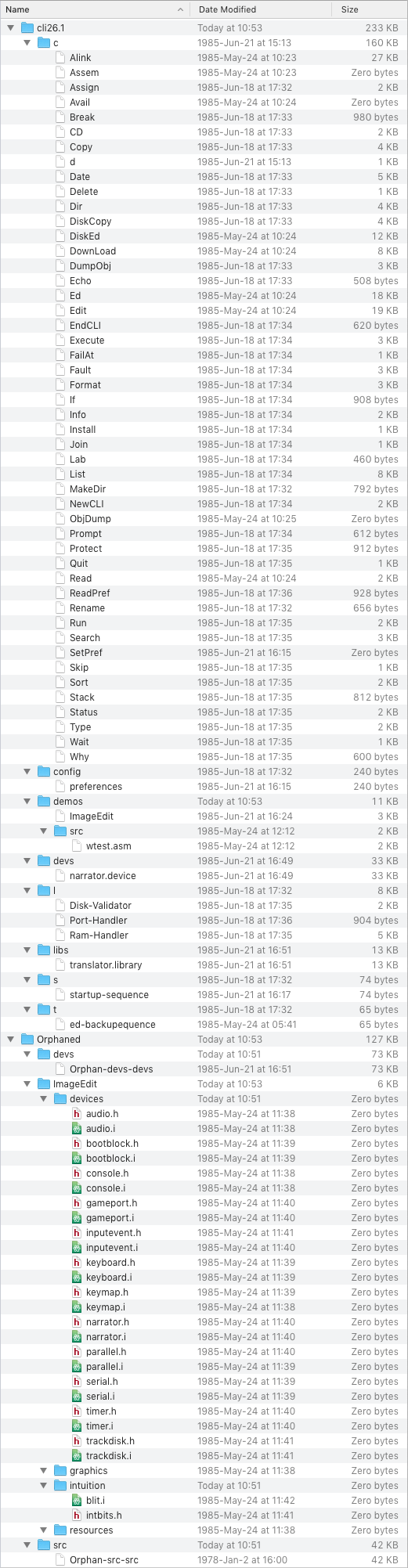
extract-adf is a tool for recovering files from broken Amiga OFS filesystem images. It can reconstruct directory hierarchies even for files that don’t have directory entries.
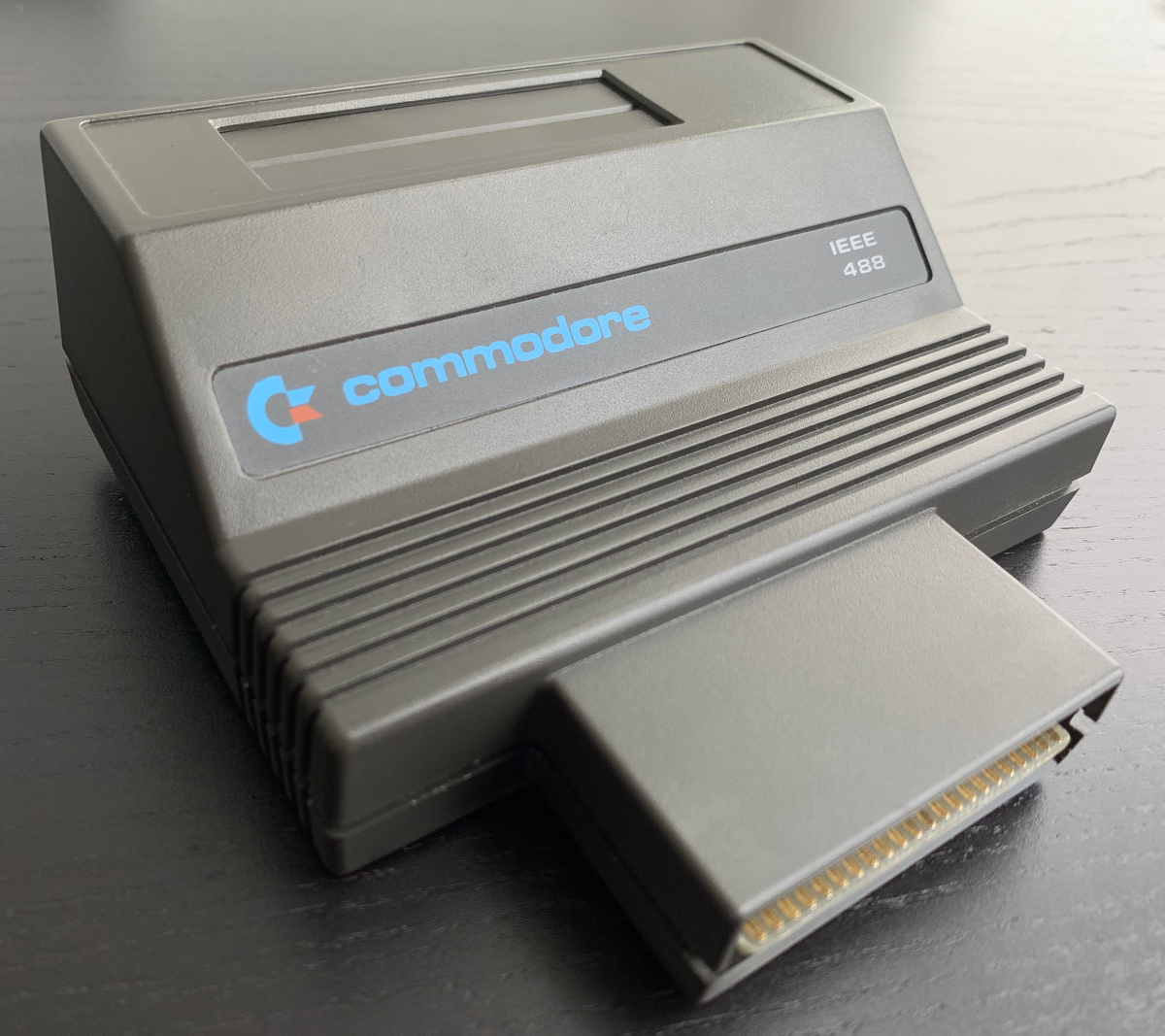
Commodore 64 disk drives were usually connected through the slow serial bus. This article shows some hi-res photos of the Commodore “IEEE-488 cartridge”, which made the faster PET drives available for the C64.
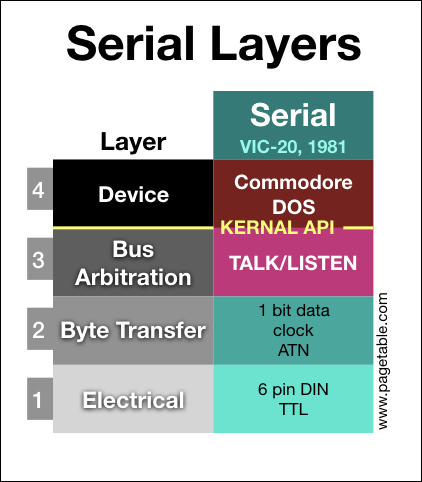
In the series about the variants of the Commodore Peripheral Bus family, this article covers the lowest two layers (electrical and byte transfer) of the “Standard Serial” bus as found on the VIC-20/C64 as the main bus, but also supported by all other Commodore home computers.
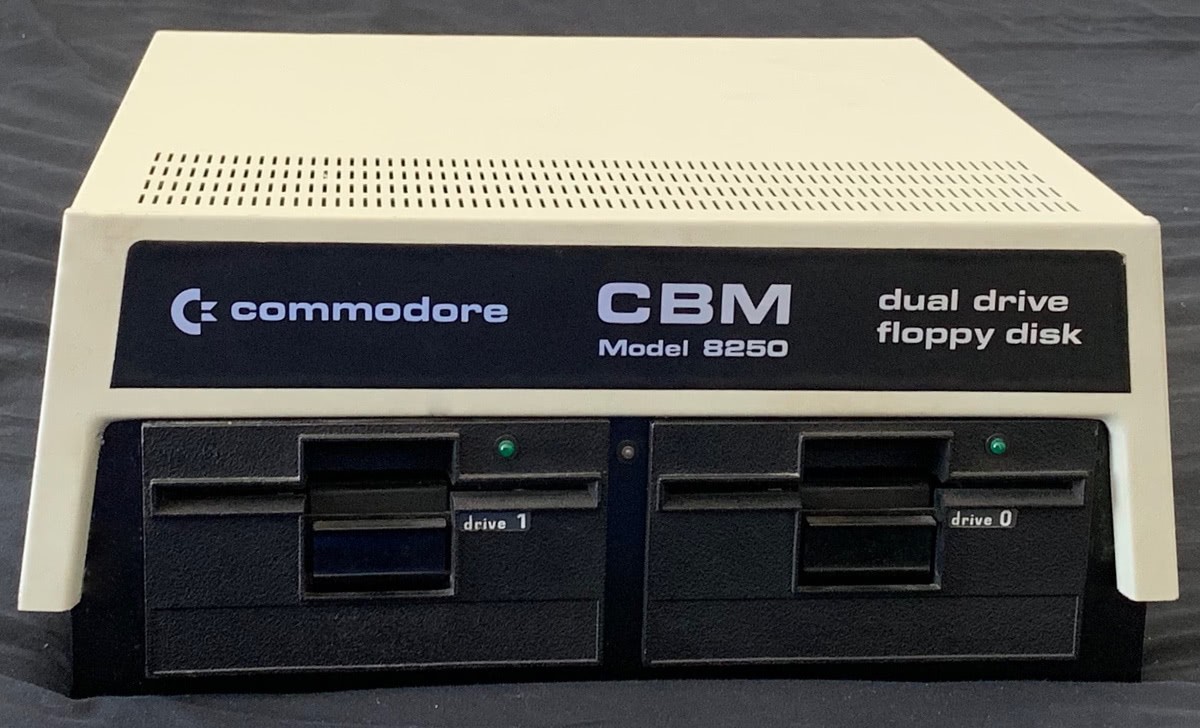
The Commodore 8250 was the high-end 5.25″ disk system for the Commodore PET, with two drives that could each fit 1 MB (4133 blocks free) on a standard disk. Here are some high-res pictures.
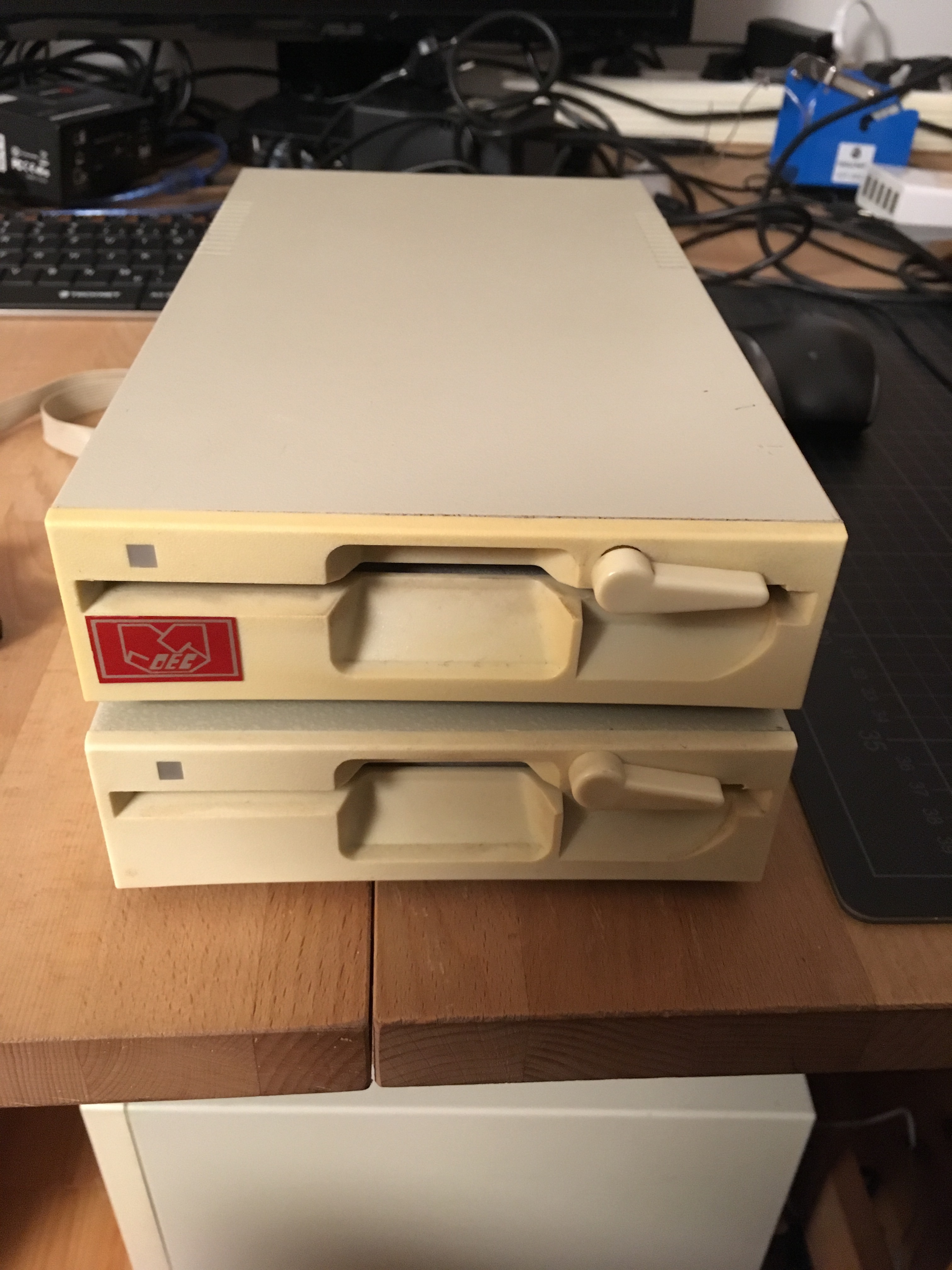
I have previously analyzed the ROM images of some third party disk drives for the Commodore 64: The result was that most of them were just using the original binaries with some obfuscation, and some with some added features. This time, let’s look at another drive, the “Technica”, which is a little special in this regard.