Final Cartridge III Calculator Easter Egg
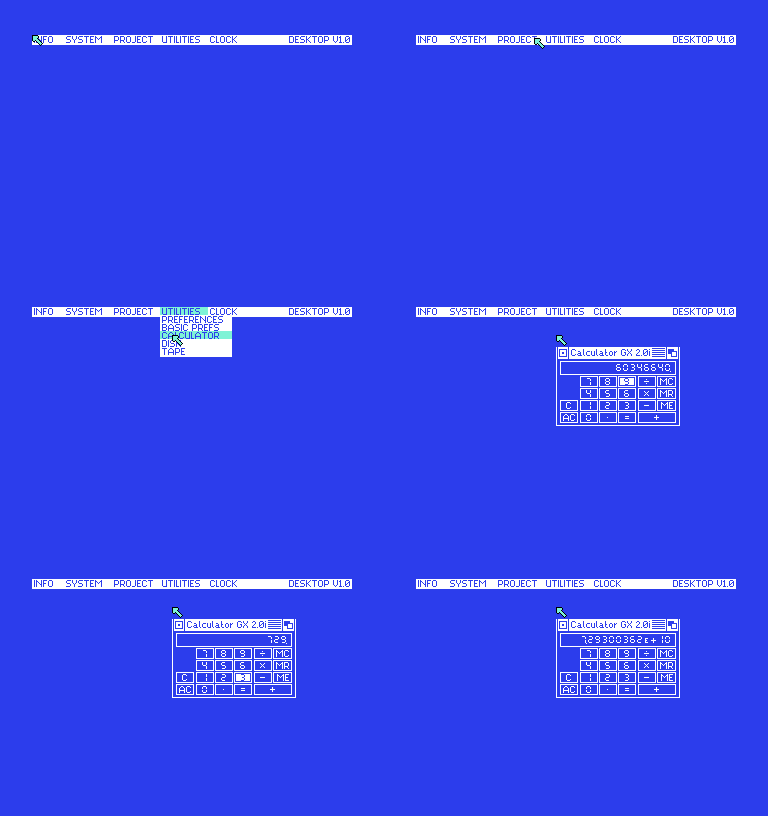
The C64 extension cartridge Final Cartridge III contains a graphical user interface named “Desktop”. There are two easter egg messages hidden in the calculator (from the “Utilities” menu).
Some Assembly Required
The C64 extension cartridge Final Cartridge III contains a graphical user interface named “Desktop”. There are two easter egg messages hidden in the calculator (from the “Utilities” menu).
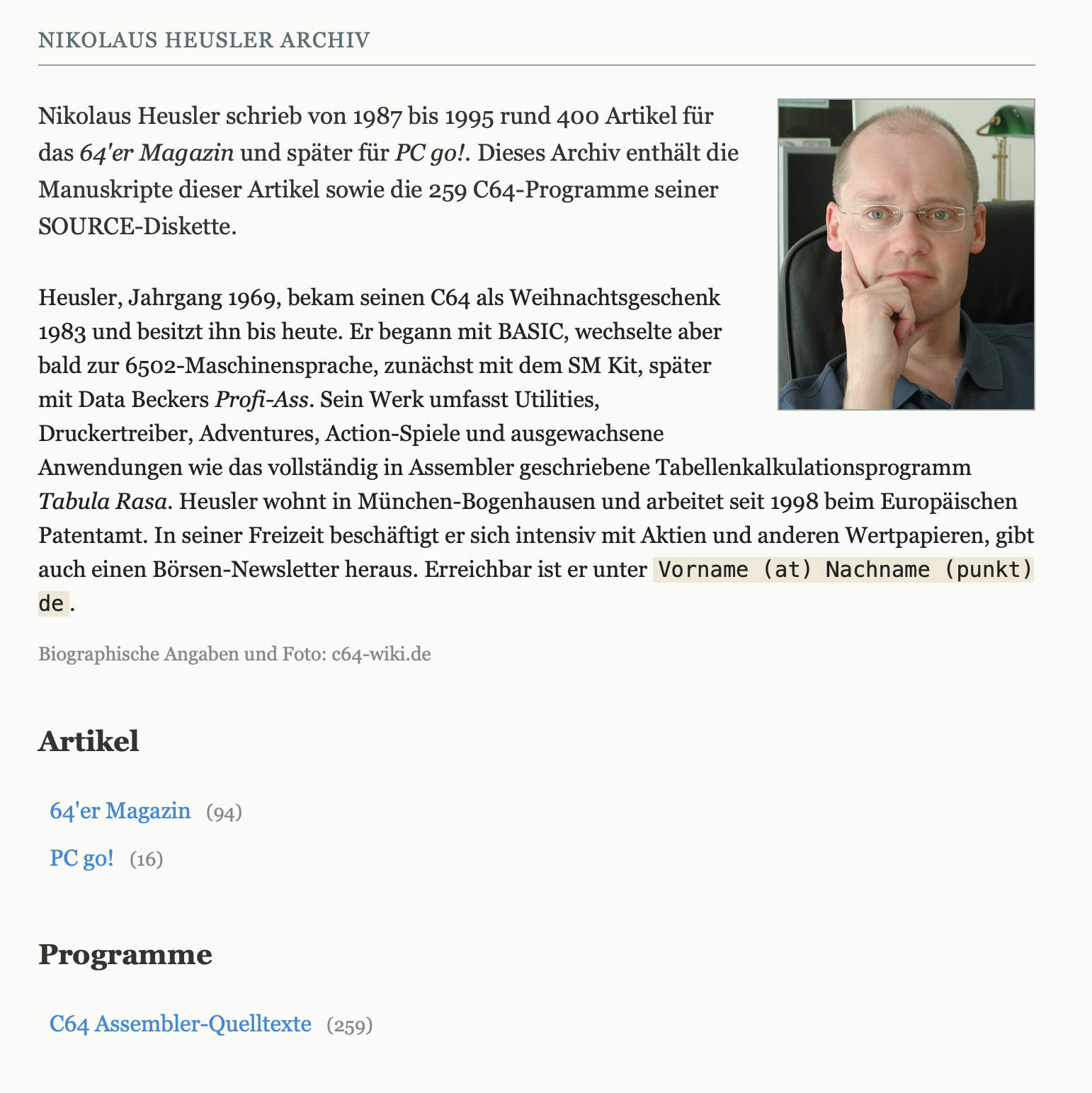
Nikolaus Heusler zählt zu den produktivsten Autoren des 64’er Magazins: hunderte Beiträge zwischen 1987 und 1995. Heusler, Jahrgang 1969, hatte seinen C64 zu Weihnachten 1983 bekommen; heute arbeitet er beim Europäischen Patentamt in München.
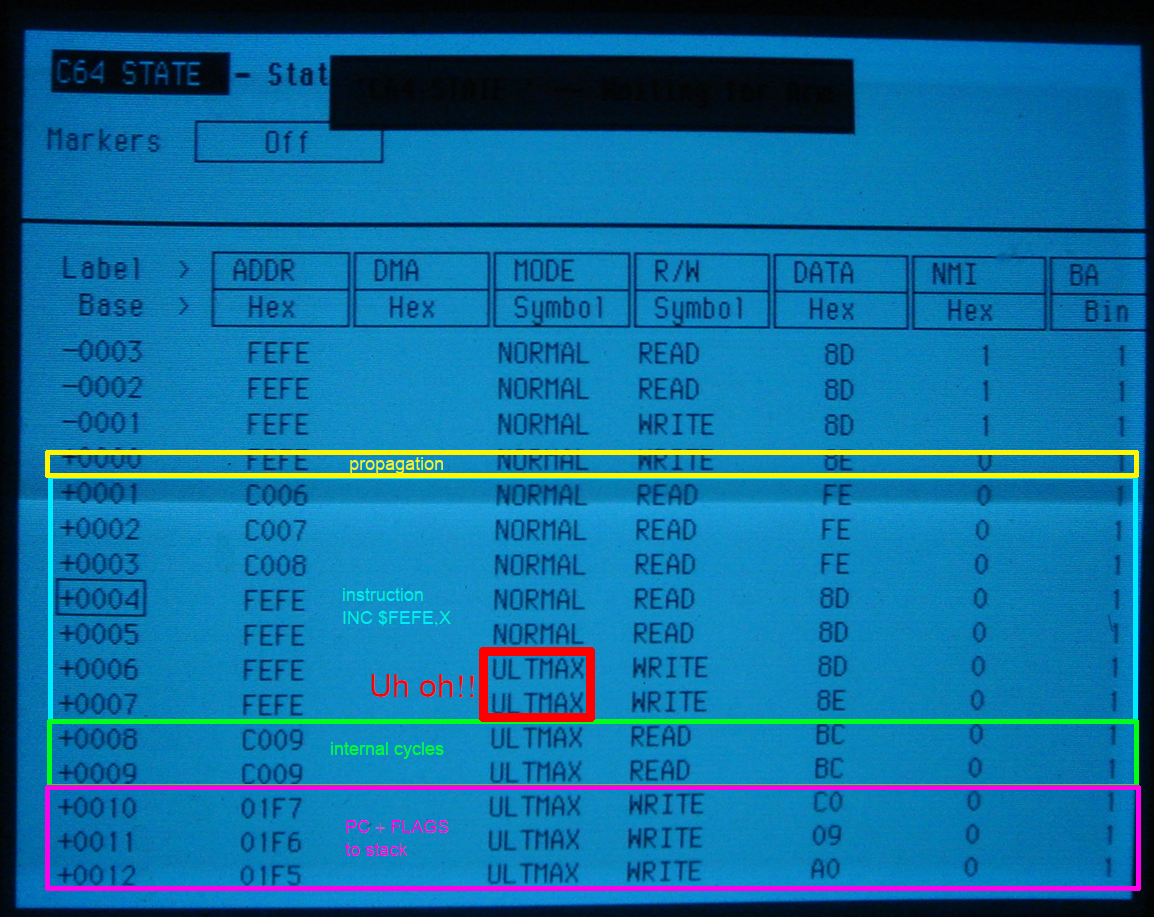
Daniël contributed the commented disassembly of the FC3 freezer functionality to the reverse engineering effort at github.com/mist64/final_cartridge. Thanks to Eric Schlaepfer for his input on 6502 timing.
The 6502’s “illegal” opcodes were of intense interest to home computer enthusiasts, and analyses were published in various magazines. But one would have never expected a company like Siemens to document illegal opcodes in a programming manual from 1980.
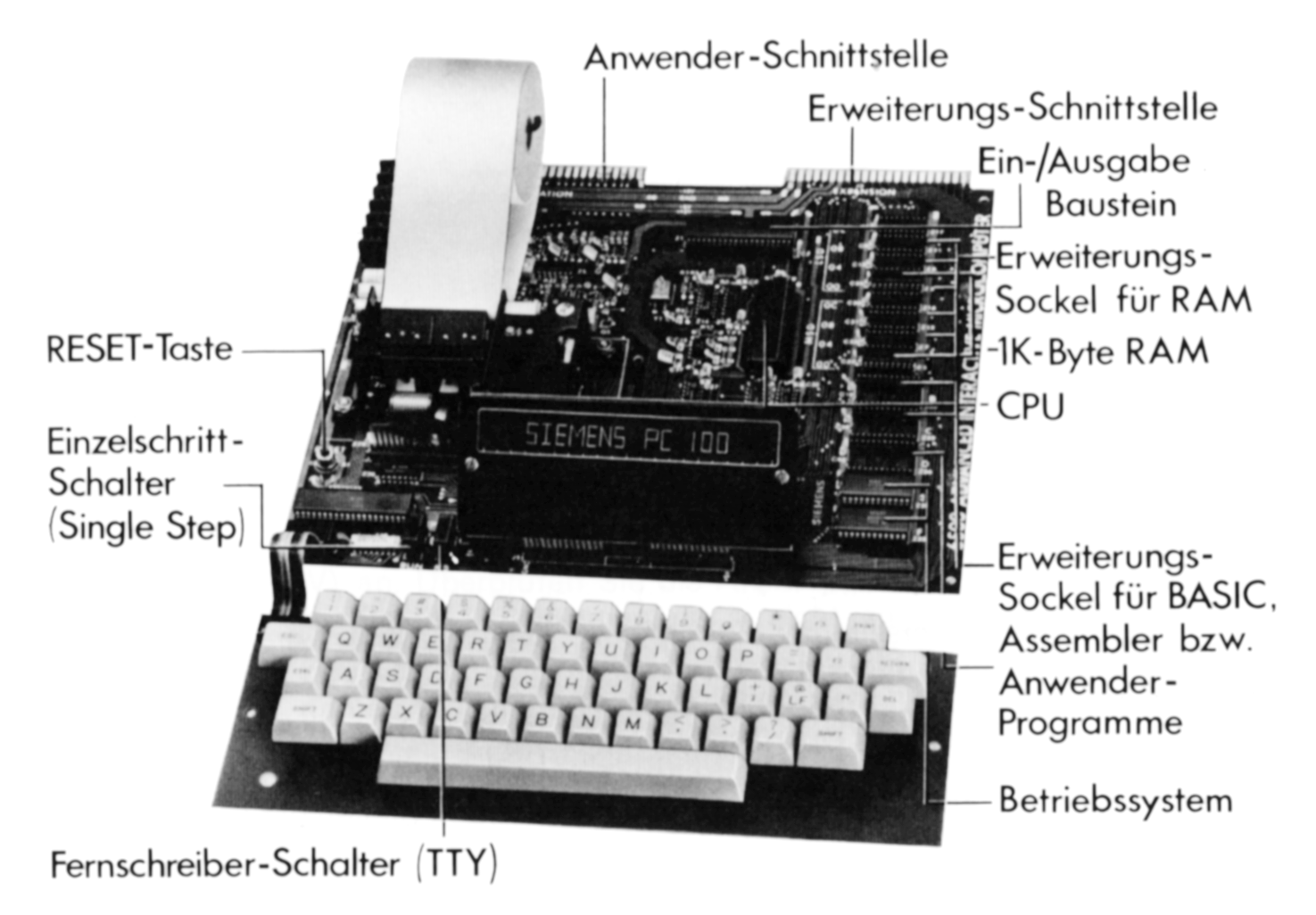
The Siemens PC 100 was a version of the 6502-based “AIM-65” SBC in a case and with slightly modified ROMs. Siemens offered a set of German-language manuals, which included translated Assembler (MOS Resident Assembler) and BASIC (Microsoft BASIC) manuals, but also a general manual (“Bedienungsanleitung”).
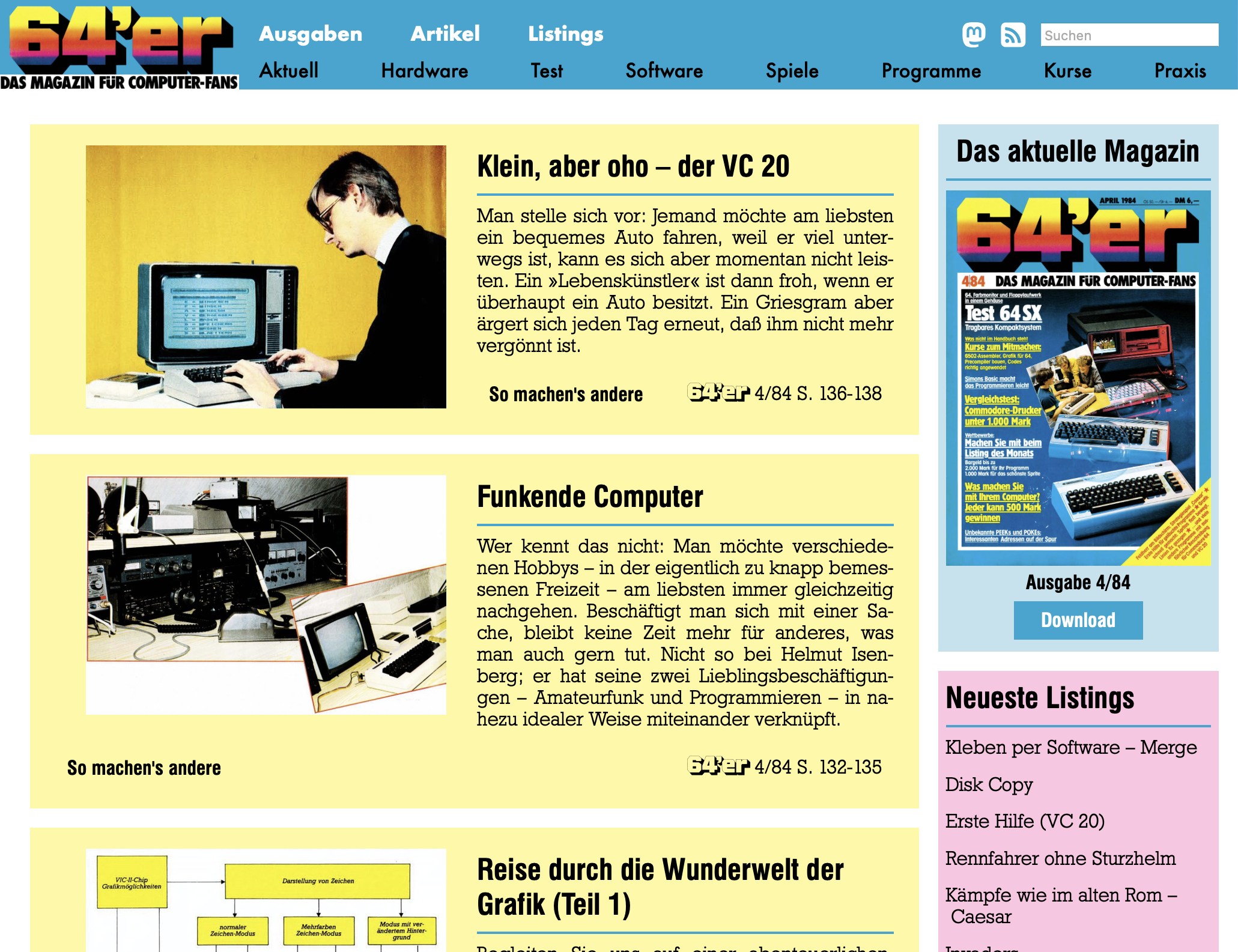
Zum 40jährigen Jubiläum des 64’er Magazins präsentieren wir das Kunstprojekt www.64er-magazin.de: eine Website, die so tut, als wäre 1984. Exakt 40 Jahre nach der ursprünglichen Veröffentlichung erscheint hier jeden Monat eine neue Ausgabe:
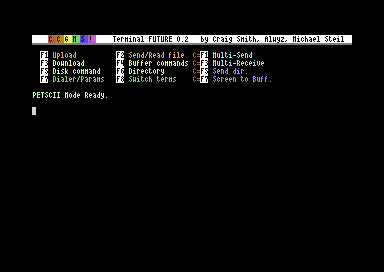
CCGMS Future 0.2 was just released. It adds 80 columns support, a true ASCII charset (in 80c mode), and bug fixes.
The Punter file transfer protocol (“New Punter”/“Punter C1”) is an alternative to the XMODEM family of protocols, which was and still is very popular on BBSes for Commodore computers. It is notorious for being badly documented. Let’s fix that.
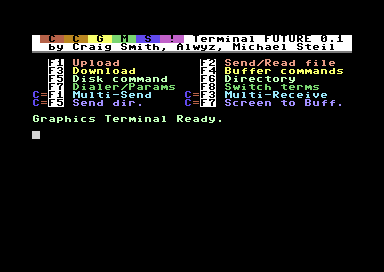
The CCGMS Terminal Program for the Commodore 64 is maintained again, and there is a new version: CCGMS Future 0.1, with bug fixes and new features.
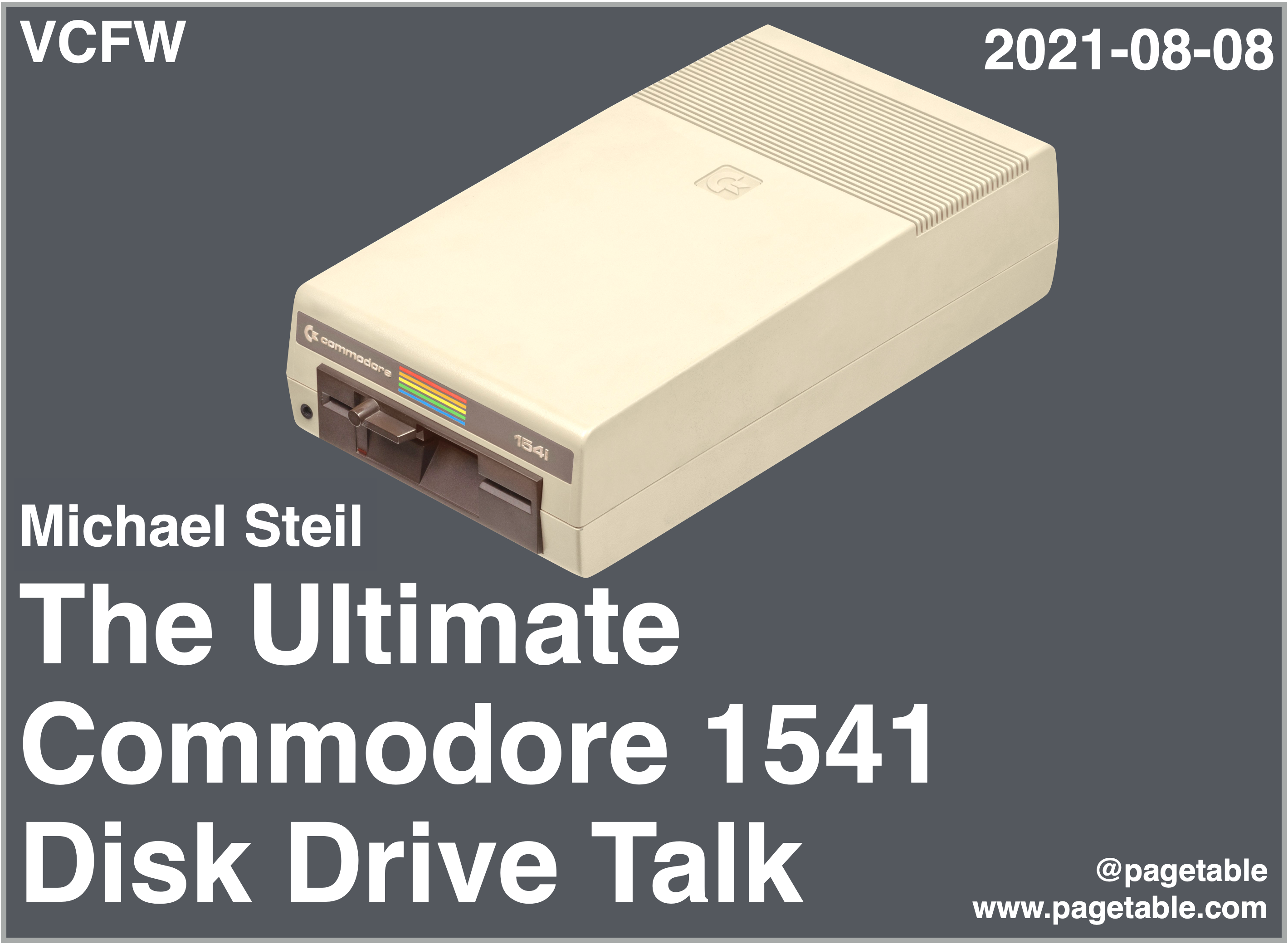
This is the video recording of “The Ultimate Commodore 1541 Disk Drive Talk” at VCF West 2021. As always, if you think it’s too fast, try watching it at 0.75x speed!
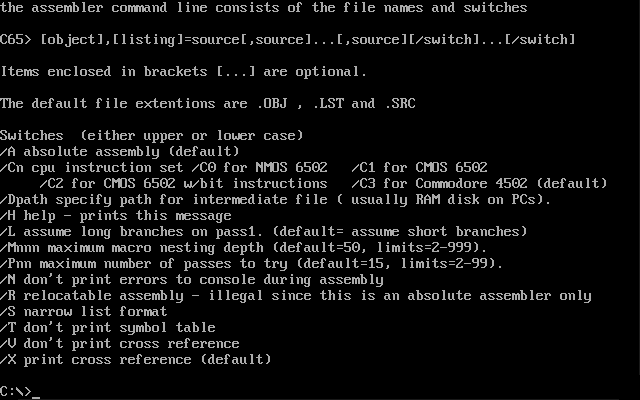
In the series about the assemblers Commodore used for developing the ROMs of their 8-bit computers, this article covers the 1989 “Commodore 6502 Assembler” (6502ASM), a cross-assembler written in C that ran on VAX and PC.
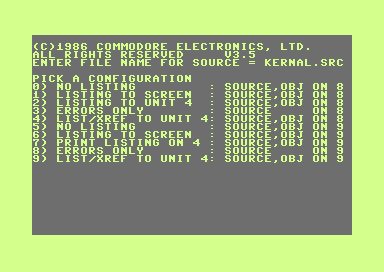
In the series about the assemblers Commodore used for developing the ROMs of their 8-bit computers, this article covers the 1987 “HCD65” assembler that ran on the C128.
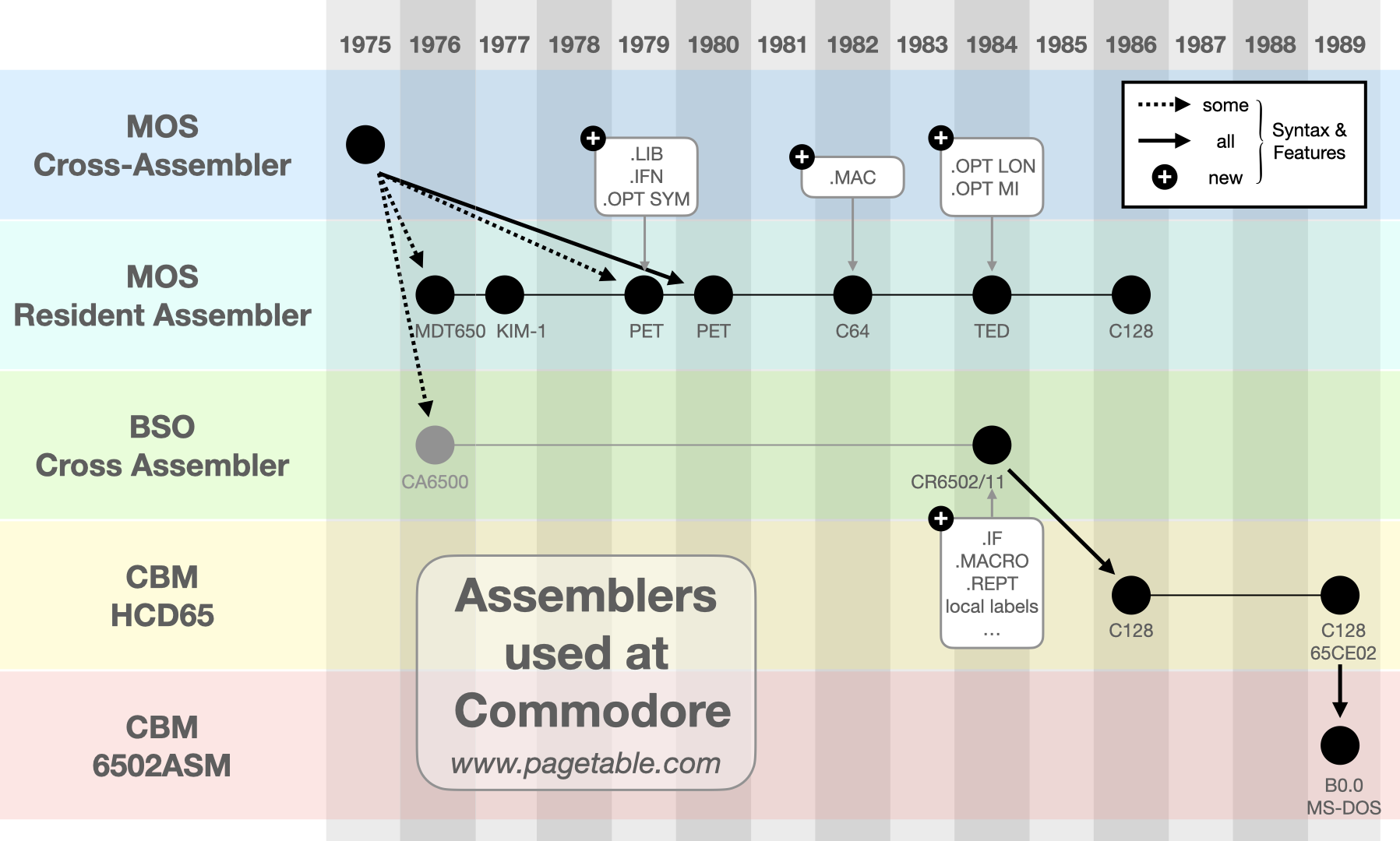
In the series about the assemblers Commodore used for developing the ROMs of their 8-bit computers, this article covers the 1984 “Boston Systems Office” (BSO) cross-assembler running on VAX/VMS.
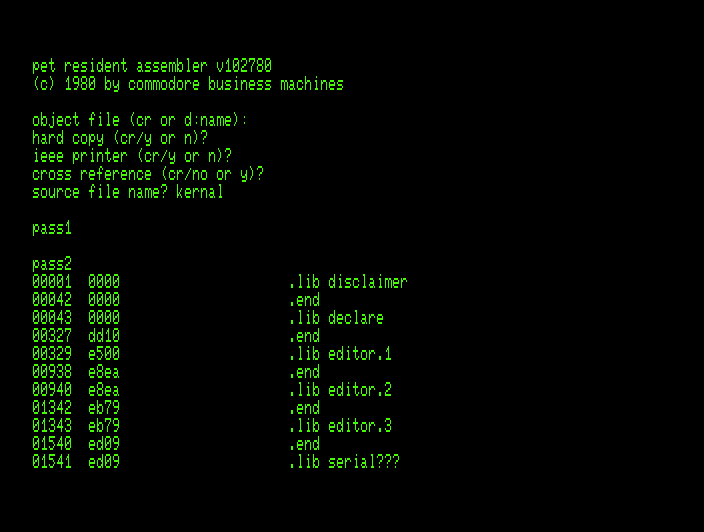
In the series about the assemblers Commodore used for developing the ROMs of their 8-bit computers, this article covers the 1976 “MOS Resident Assembler” that ran on a variety of 6502-based computers.
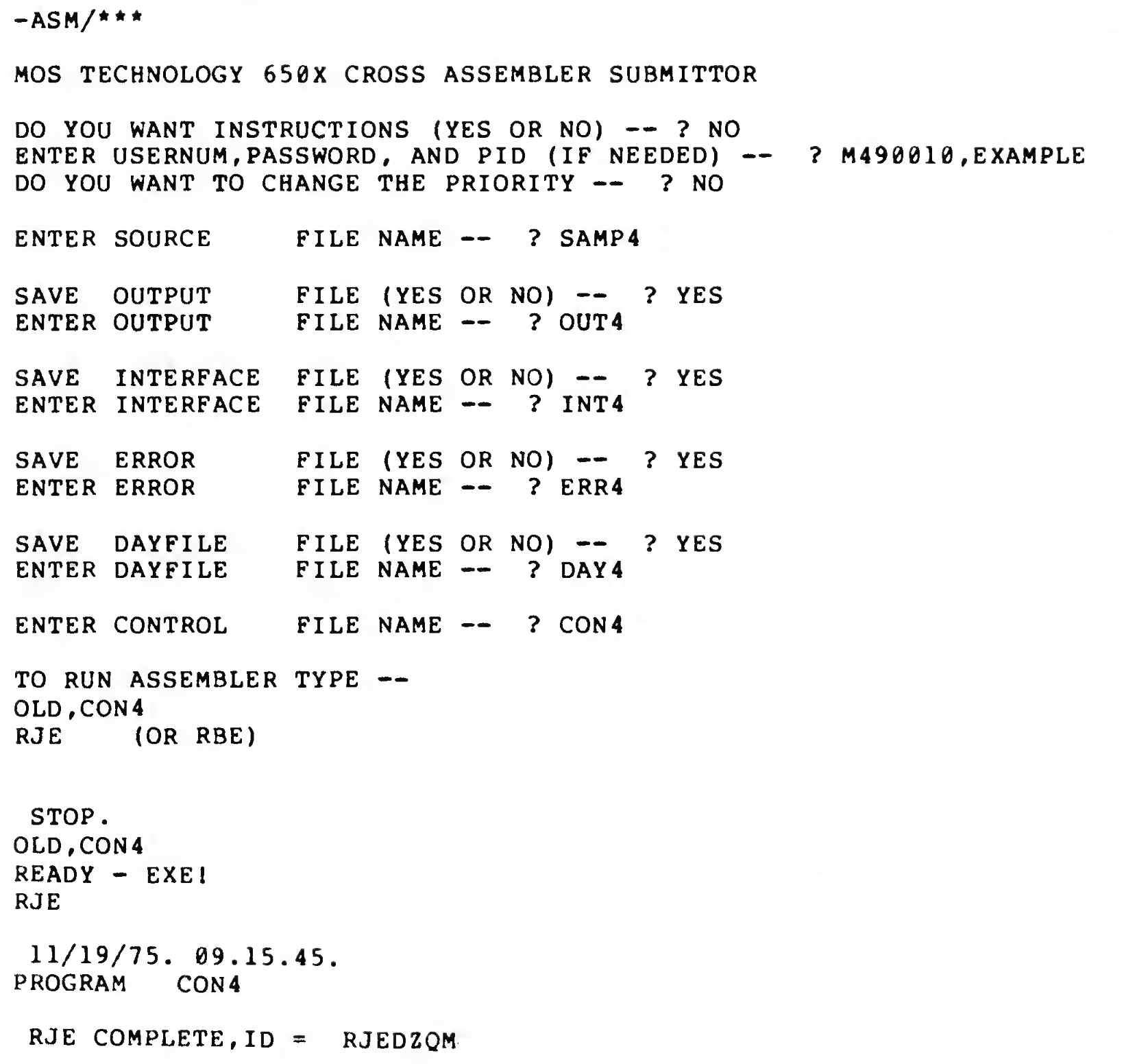
In the series about the assemblers Commodore used for developing the ROMs of their 8-bit computers, this article covers the 1975 “MOS Cross-Assembler”, which was available for various mainfraimes of the era.
Commodore used 5 different assemblers, most of them in-house tools, to build the ROMs for their Computers like the PET, the C64 and the C128. Nevertheless, all Commodore source files, from 1975 to 1990, share a common format and use the same assembly directives. This series of articles describes each of these assemblers.
geoWrite is a WYSIWYG rich text editor for the Commodore 64 GEOS operating system. I created a reverse-engineered source version of the geoWrite 2.1 for the C64 (English and German) for the cc65 compiler suite:
Dieser Vortrag wurde am 11. Oktober 2020 auf dem (virtuellen) Vintage Computing Festival Berlin gehalten.