The Commodore AUTOMODEM (Model 1650)
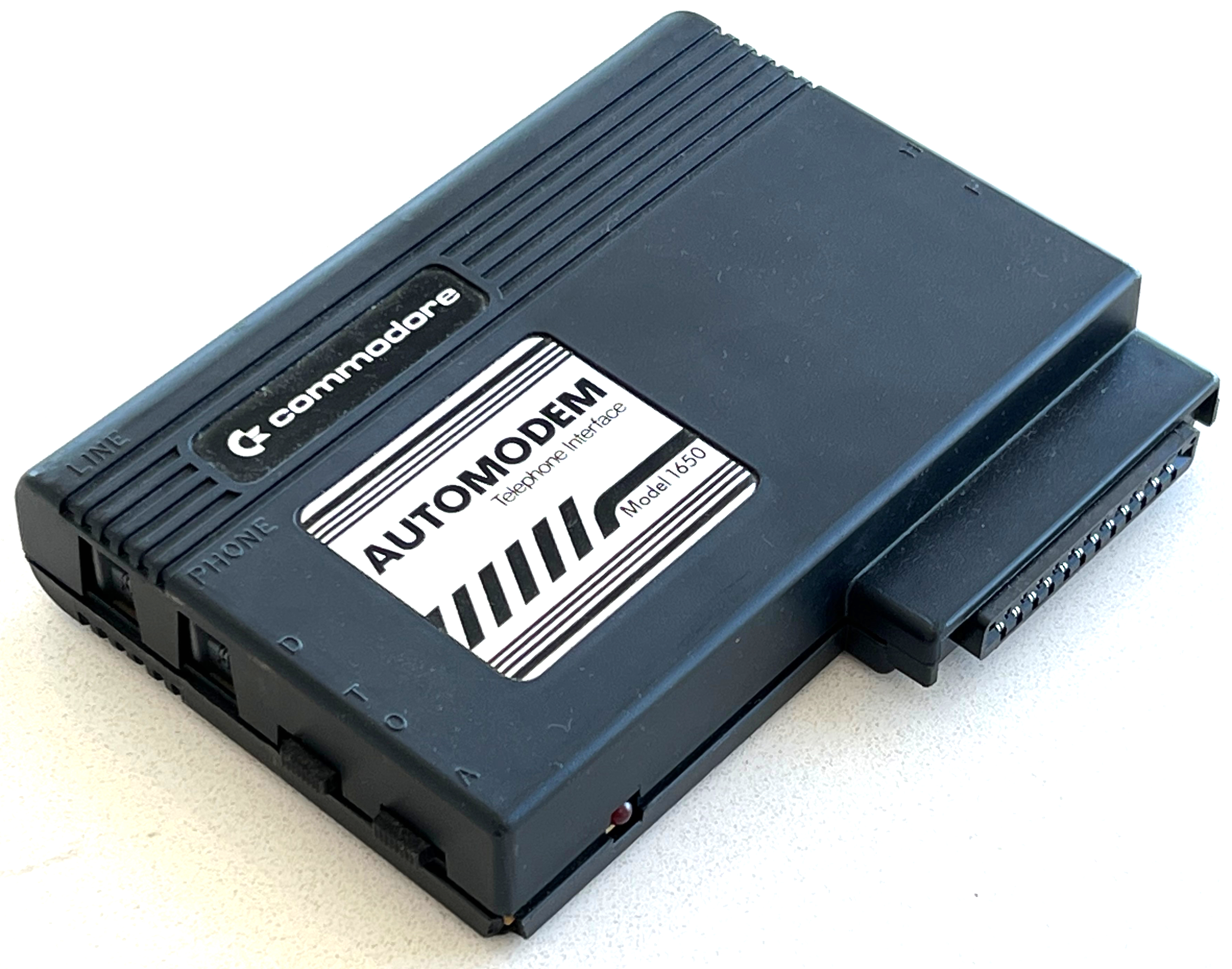
The Commodore 1650, also known as the “AUTOMODEM”, is Commodore’s first full modem directly connected to the phone line. It supports pulse dialing in software and 300 baud duplex connections.
Some Assembly Required
The Commodore 1650, also known as the “AUTOMODEM”, is Commodore’s first full modem directly connected to the phone line. It supports pulse dialing in software and 300 baud duplex connections.
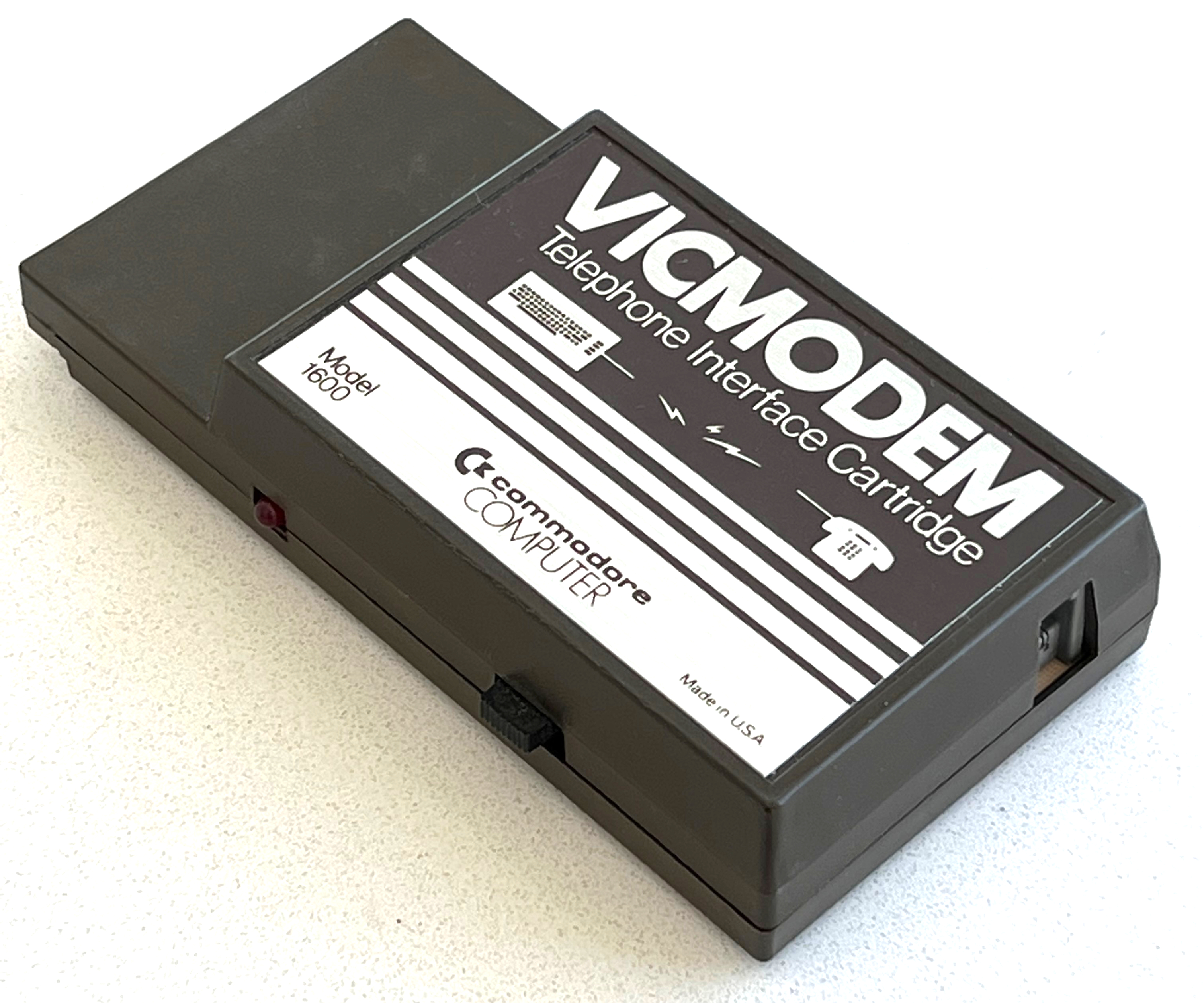
The Commodore 1600, also known as the “VICMODEM”, is Commodore’s very first modem (1982): It supports 300 baud duplex connections, and is connected to an existing telephone’s handset connector instead of the phone line. This kept the price down, but required the user to dial manually through the phone.
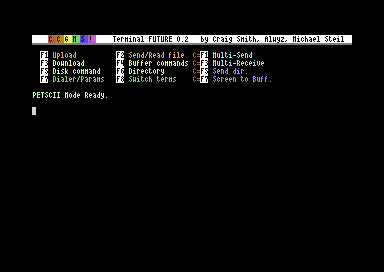
CCGMS Future 0.2 was just released. It adds 80 columns support, a true ASCII charset (in 80c mode), and bug fixes.
The Punter file transfer protocol (“New Punter”/“Punter C1”) is an alternative to the XMODEM family of protocols, which was and still is very popular on BBSes for Commodore computers. It is notorious for being badly documented. Let’s fix that.
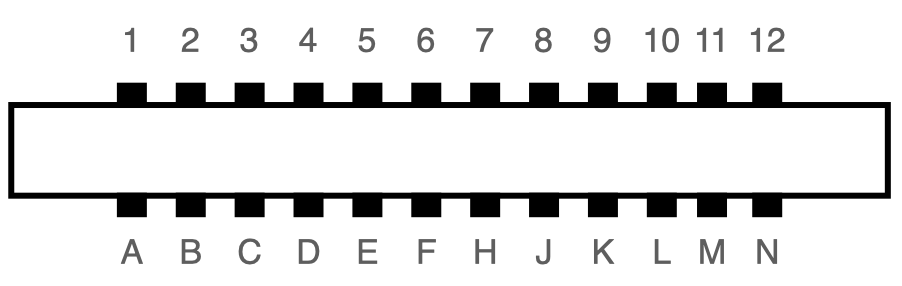
The user port of the Commodore 64 exposes a TTL-level RS-232 serial port that supports up to 1200 baud1. In 1997, Daniel Dallmann came up with a very sophisticated trick that allowed sending and receiving at 9600 baud2, using slightly different wiring and a dedicated driver. This “UP9600” wiring has become the de-facto standard for all modern accessories, like C64 WiFi modems. Let’s see how UP9600 works.
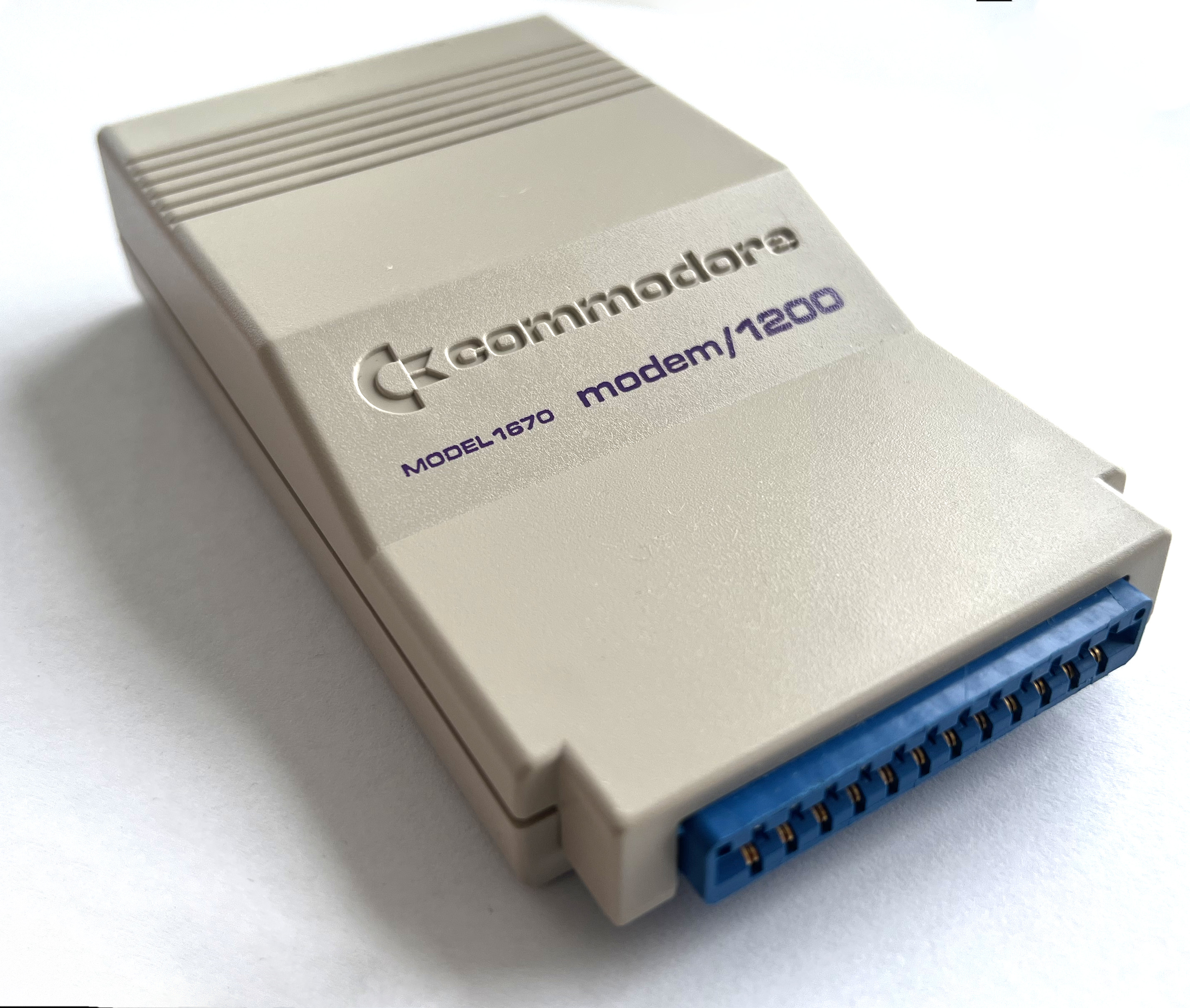
The Commodore 1670, also known as the “Modem/1200”, is Commodore’s first Hayes-compatible modem: It connects directly to the phone line and supports pulse and tone dialing for 1200 and 300 baud duplex connections. There were two revisions, the original 1670 and the “new” 1670, a.k.a. CR-1670. (The unit in this article is the later revision.)
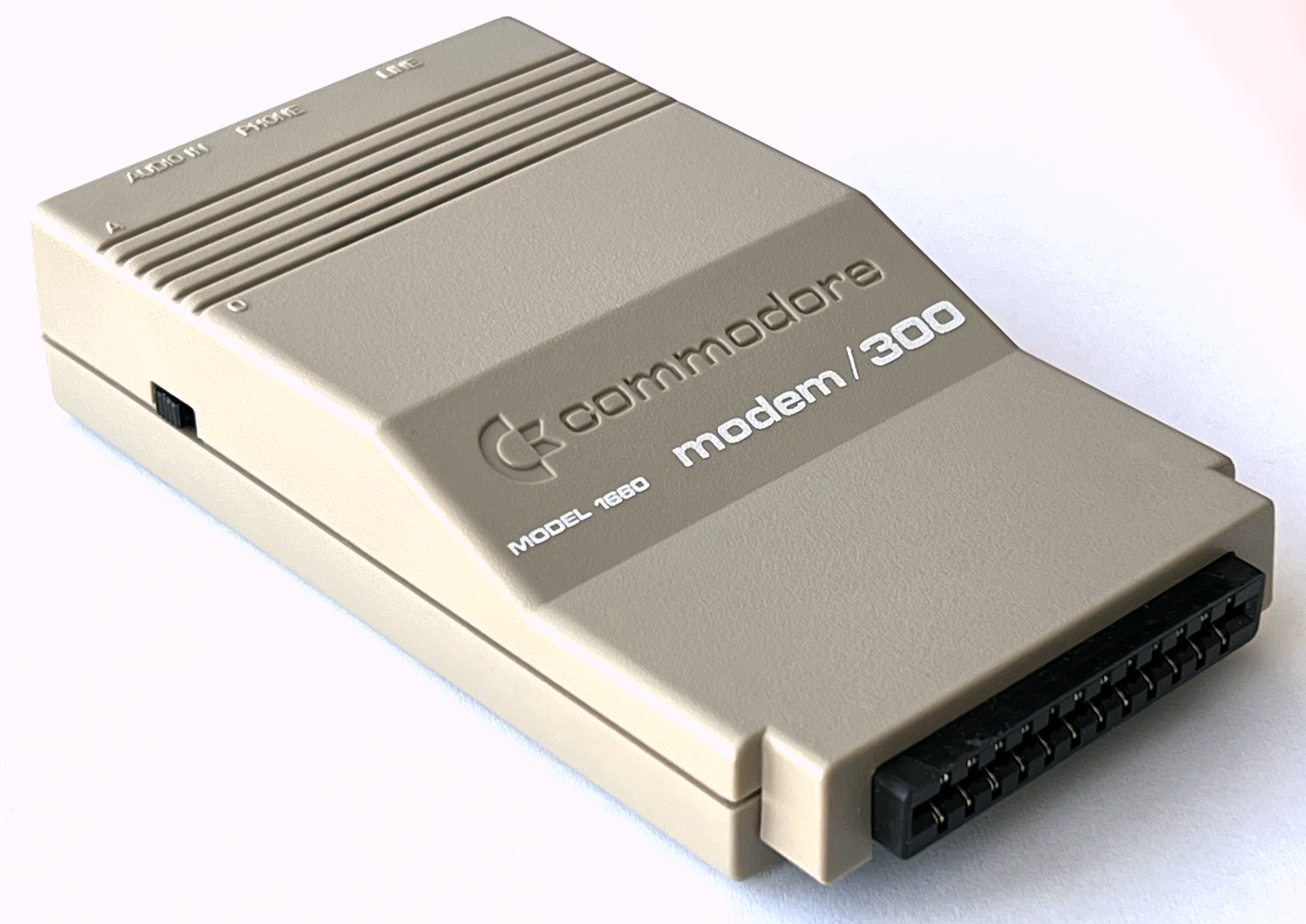
The Commodore 1660, also known as the “Modem/300”, is Commodore’s first full-featured modem: It connects directly to the phone line and supports pulse and tone dialing for 300 baud duplex connections.
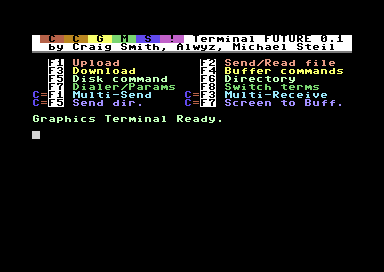
The CCGMS Terminal Program for the Commodore 64 is maintained again, and there is a new version: CCGMS Future 0.1, with bug fixes and new features.
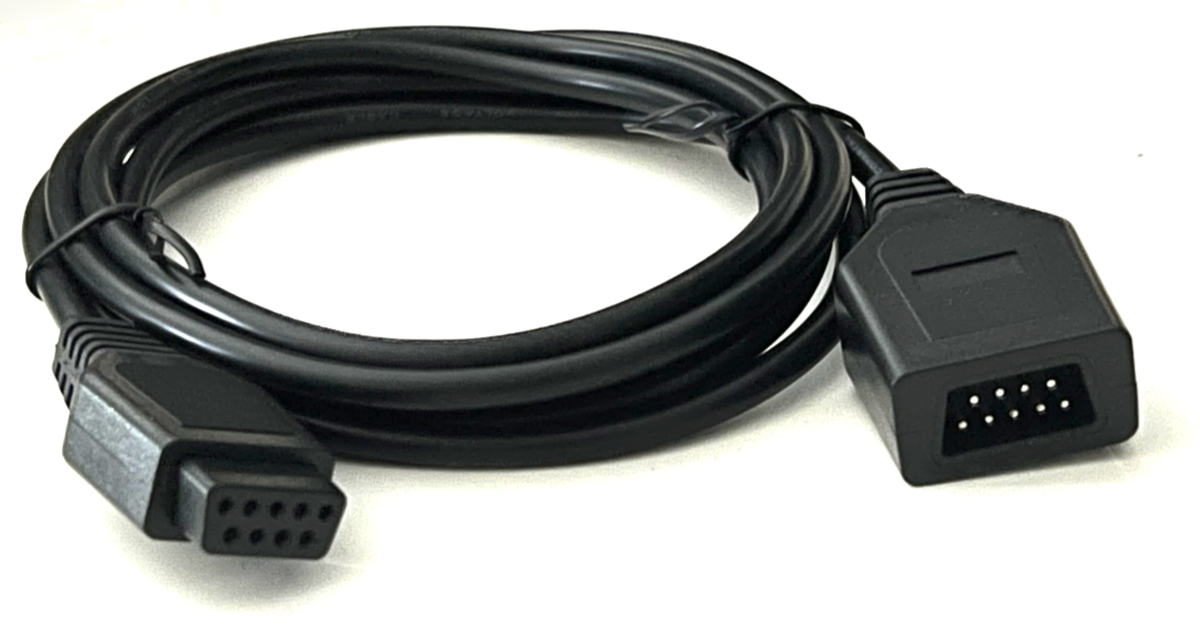
This article explains how to convert a “Competition Pro Extra USB” (which you can still buy new) to work with a C64, Amiga or Atari. For the conversion, you need a joystick extension cable like this:
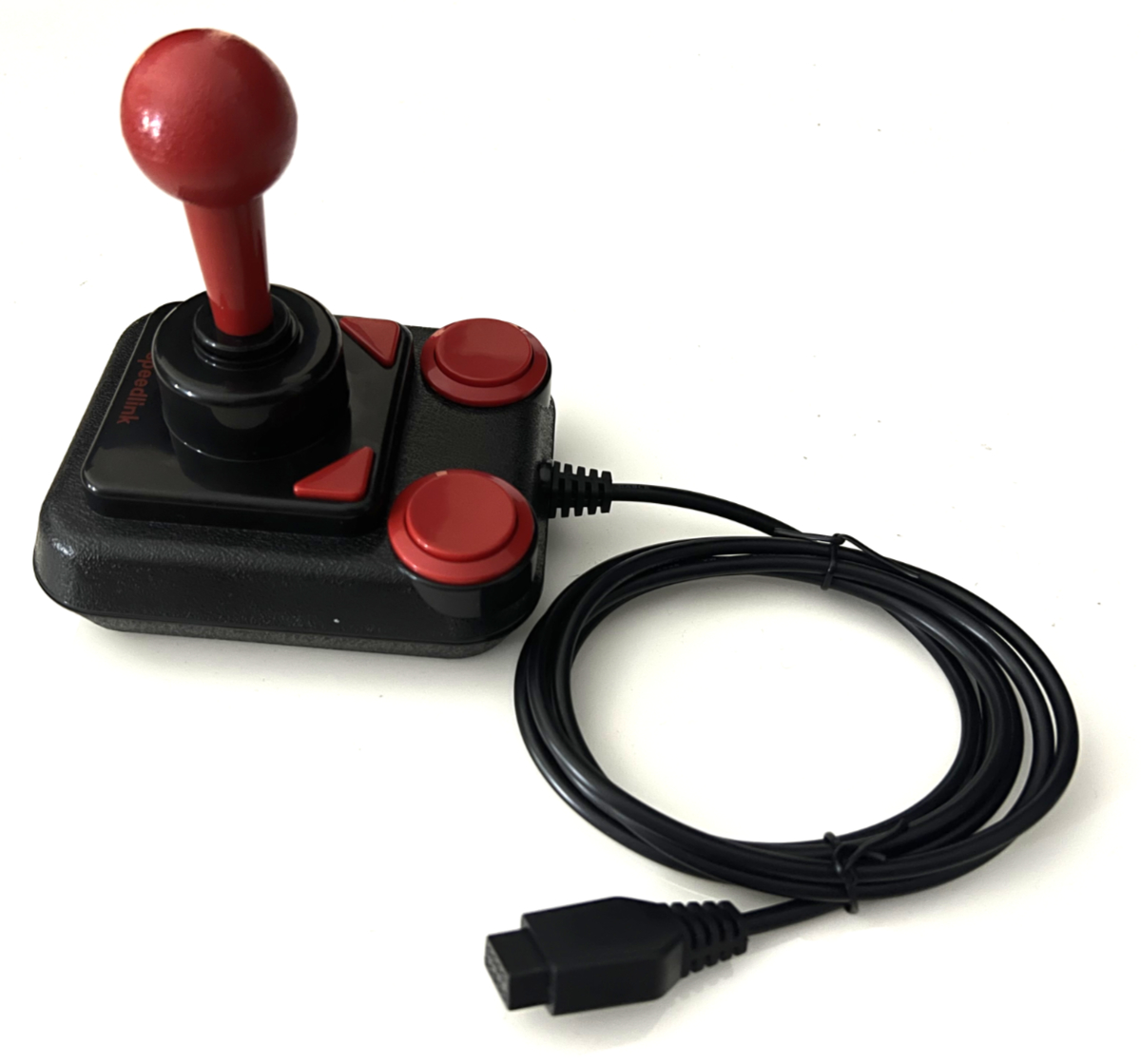
I updated the instructions to a USB Competition Pro to DB9, so you can use it with a C64, Amiga etc. They now include the new “V3” and “V04T” pinouts and were updated with the use of a joystick extension cable.
This is the video recording of “The Ultimate Commodore 1541 Disk Drive Talk” at VCF West 2021. As always, if you think it’s too fast, try watching it at 0.75x speed!
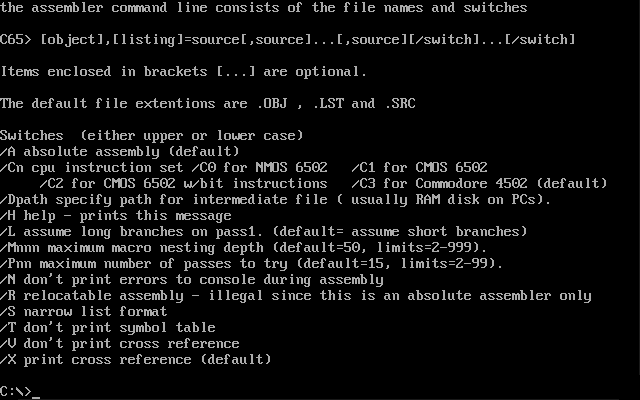
In the series about the assemblers Commodore used for developing the ROMs of their 8-bit computers, this article covers the 1989 “Commodore 6502 Assembler” (6502ASM), a cross-assembler written in C that ran on VAX and PC.
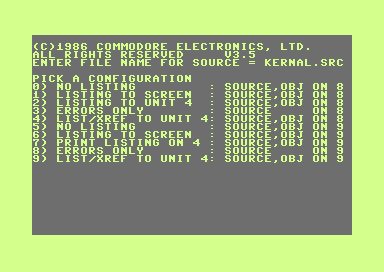
In the series about the assemblers Commodore used for developing the ROMs of their 8-bit computers, this article covers the 1987 “HCD65” assembler that ran on the C128.
In the series about the assemblers Commodore used for developing the ROMs of their 8-bit computers, this article covers the 1984 “Boston Systems Office” (BSO) cross-assembler running on VAX/VMS.
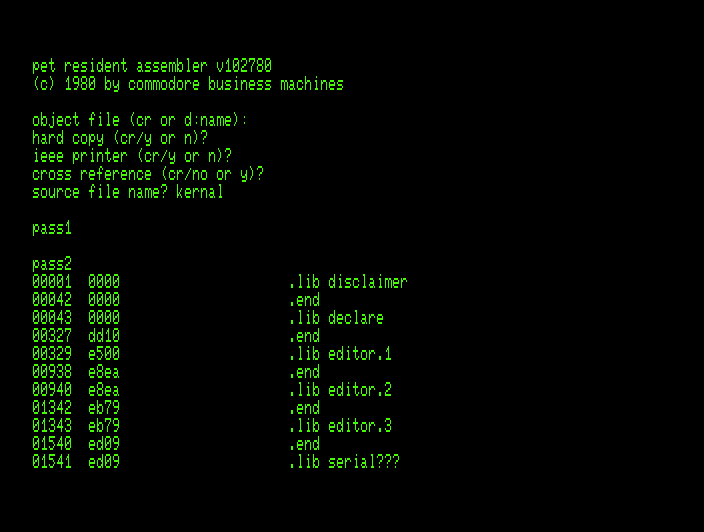
In the series about the assemblers Commodore used for developing the ROMs of their 8-bit computers, this article covers the 1976 “MOS Resident Assembler” that ran on a variety of 6502-based computers.
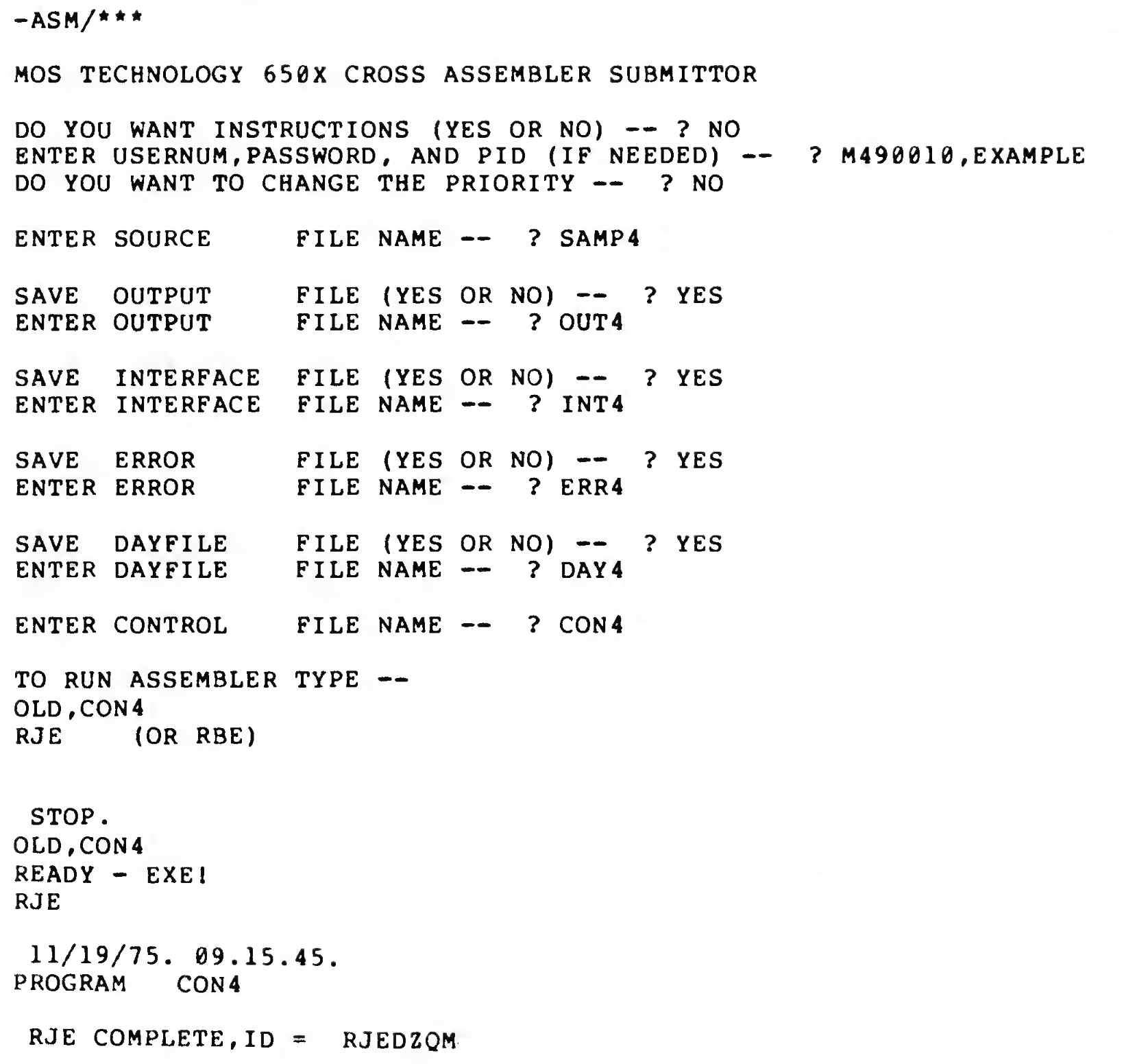
In the series about the assemblers Commodore used for developing the ROMs of their 8-bit computers, this article covers the 1975 “MOS Cross-Assembler”, which was available for various mainfraimes of the era.
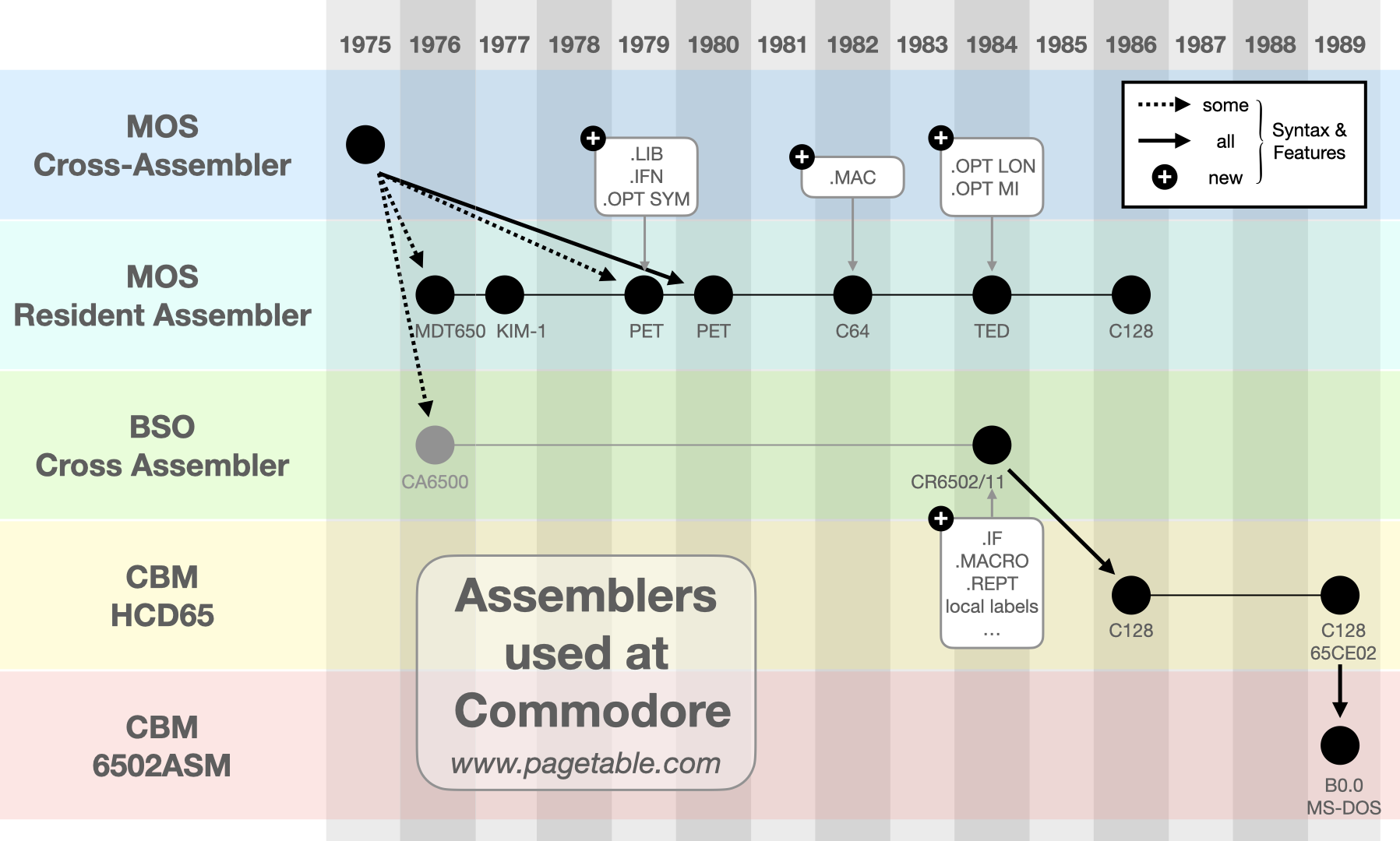
Commodore used 5 different assemblers, most of them in-house tools, to build the ROMs for their Computers like the PET, the C64 and the C128. Nevertheless, all Commodore source files, from 1975 to 1990, share a common format and use the same assembly directives. This series of articles describes each of these assemblers.
geoWrite is a WYSIWYG rich text editor for the Commodore 64 GEOS operating system. I created a reverse-engineered source version of the geoWrite 2.1 for the C64 (English and German) for the cc65 compiler suite:
Dieser Vortrag wurde am 11. Oktober 2020 auf dem (virtuellen) Vintage Computing Festival Berlin gehalten.