Visualizing Commodore 1541 Disk Contents – Part 2: Errors

We have previously visualized the physical layout of C64/1541 disks. In order to understand the encoding and potential read errors, it is more useful to visualize the disks sector-by-sector.
Some Assembly Required
We have previously visualized the physical layout of C64/1541 disks. In order to understand the encoding and potential read errors, it is more useful to visualize the disks sector-by-sector.
There have been a few new interesting additions to the Commodore Source Code repository, including:
In this episode of computer archeology, we deconstruct a very interesting case of borrowing code from multiple places – but first try this D64 disk image with any Commodore 64 emulator or a real C64:
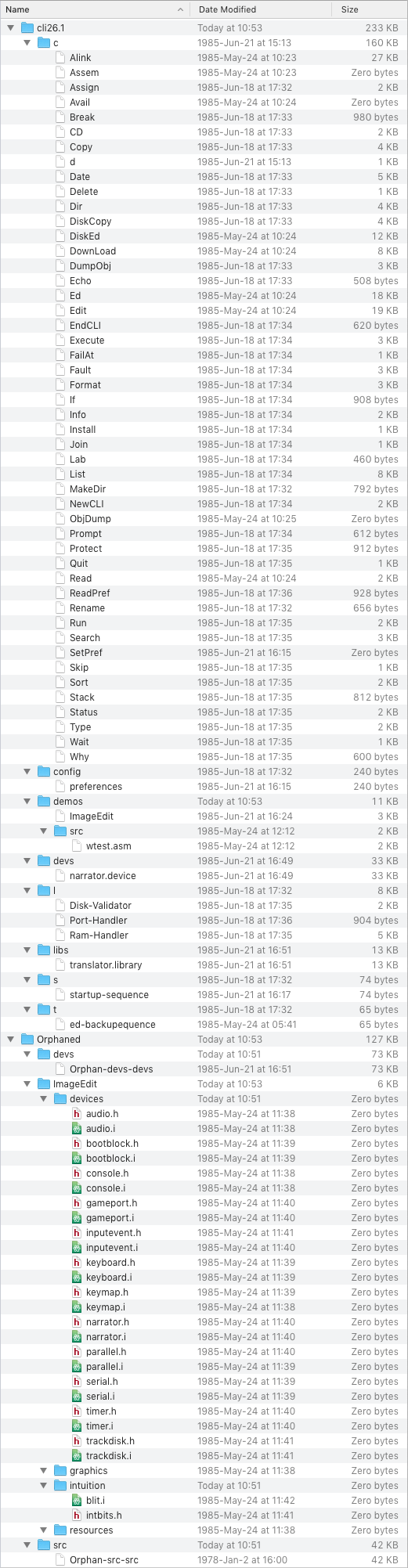
extract-adf is a tool for recovering files from broken Amiga OFS filesystem images. It can reconstruct directory hierarchies even for files that don’t have directory entries.
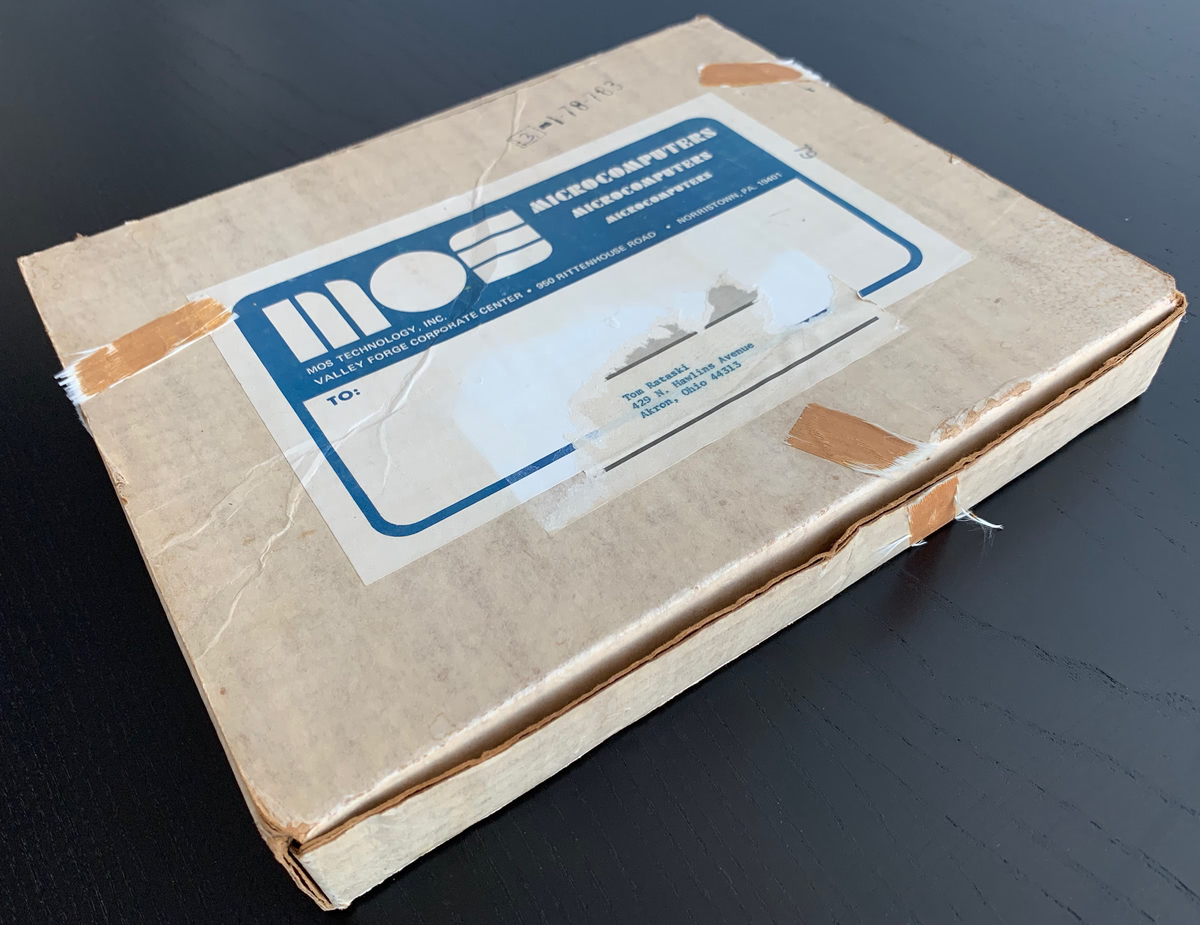
Back in 1975, you could order a boxed 6502 CPU directly from MOS in Norristown, PA. Here are some high-res photos of such a box and its contents.
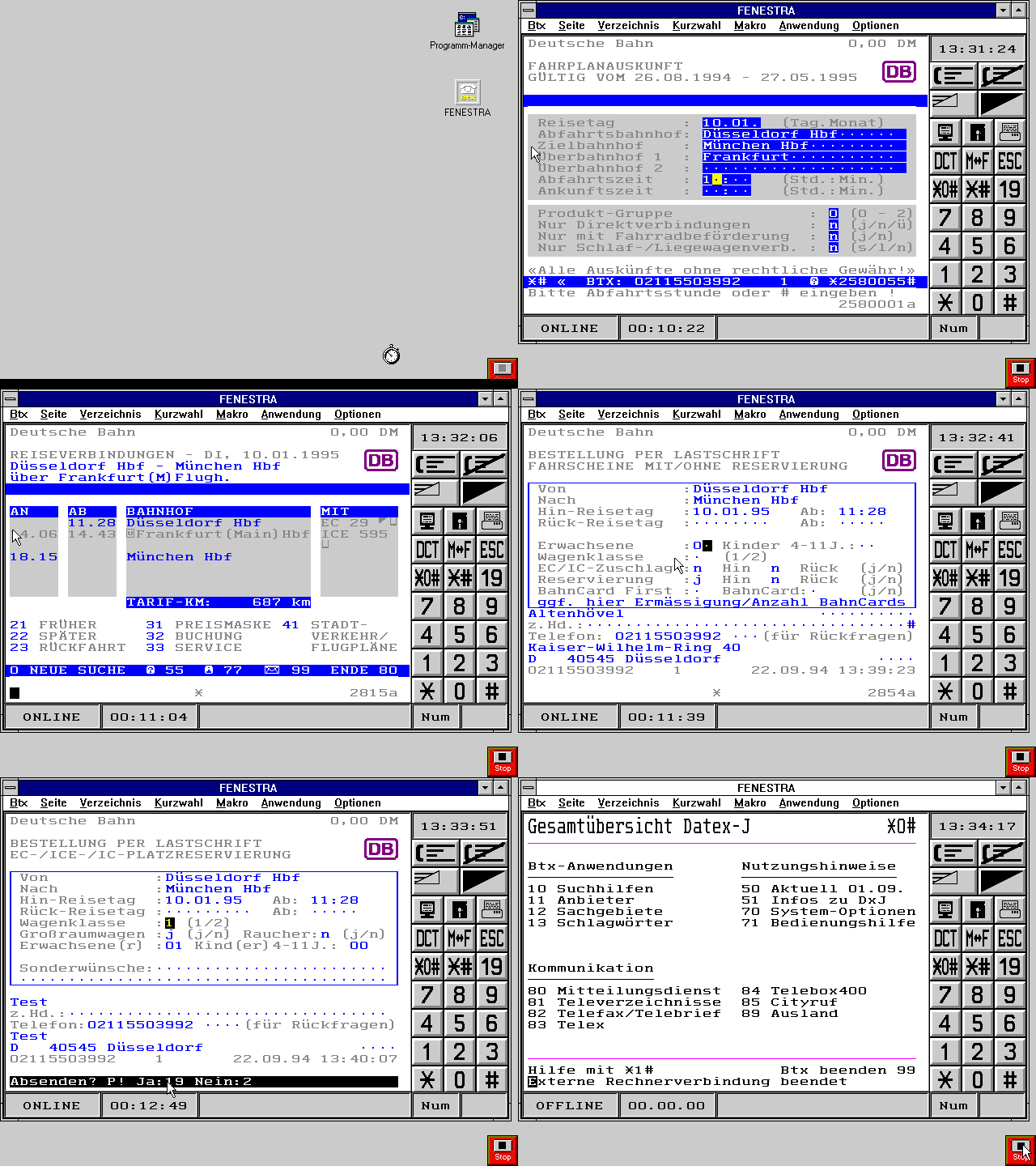
This article is about screen captures of the discontinued German online service Bildschirmtext/Btx.
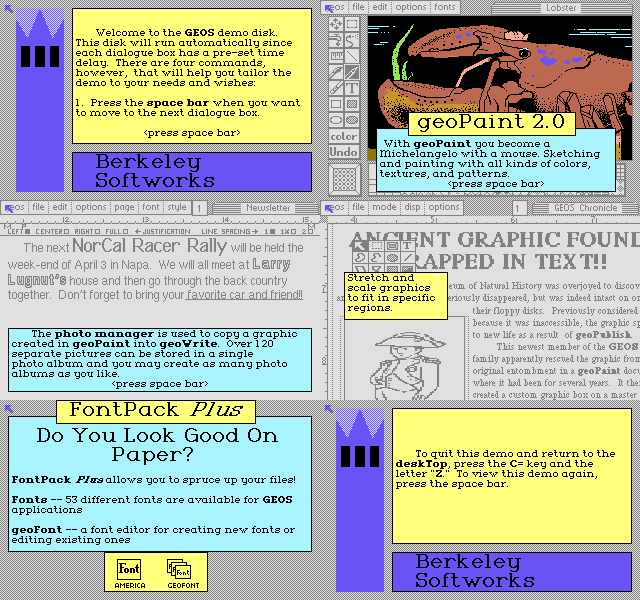
The GEOS operating system for the Commodore 64 achieved to replicate much of the GUI of the original Macintosh on a 1 MHz 8 bit CPU with just 64 KB of RAM. The GEOS Demo is a presentation by Berkeley Softworks (BSW), the creators of GEOS, to showcase the features of GEOS and BSW’s applications.
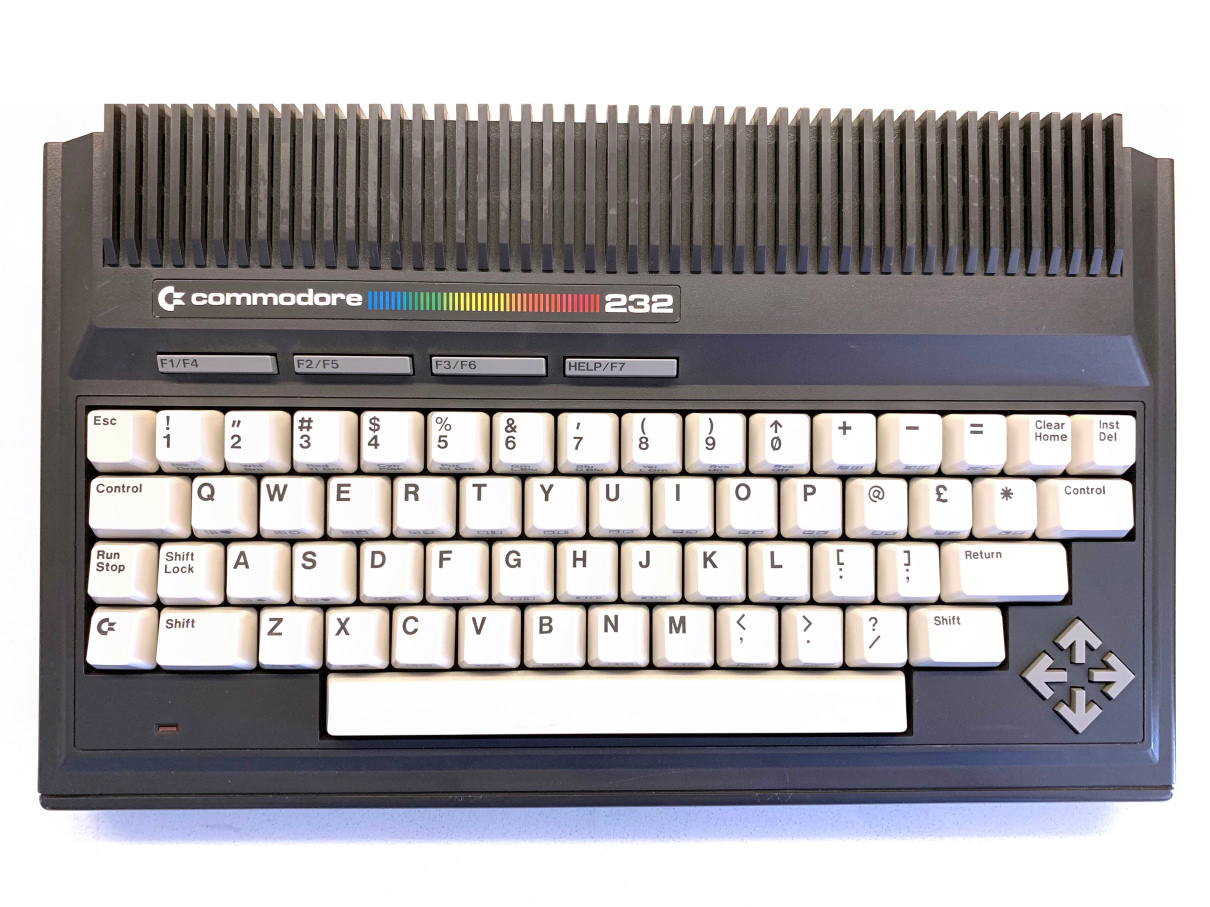
Here are some hi-res photos of the Commodore 232 and Commodore 264 prototypes. The C-232 and C-264 were two1 of the planned models of the TED series, but neither shipped. The C-264 became the Plus/4, with productivity software preinstalled in ROM, and the low-lost C-232 was replaced by the even lower-cost C16 and C116 models.
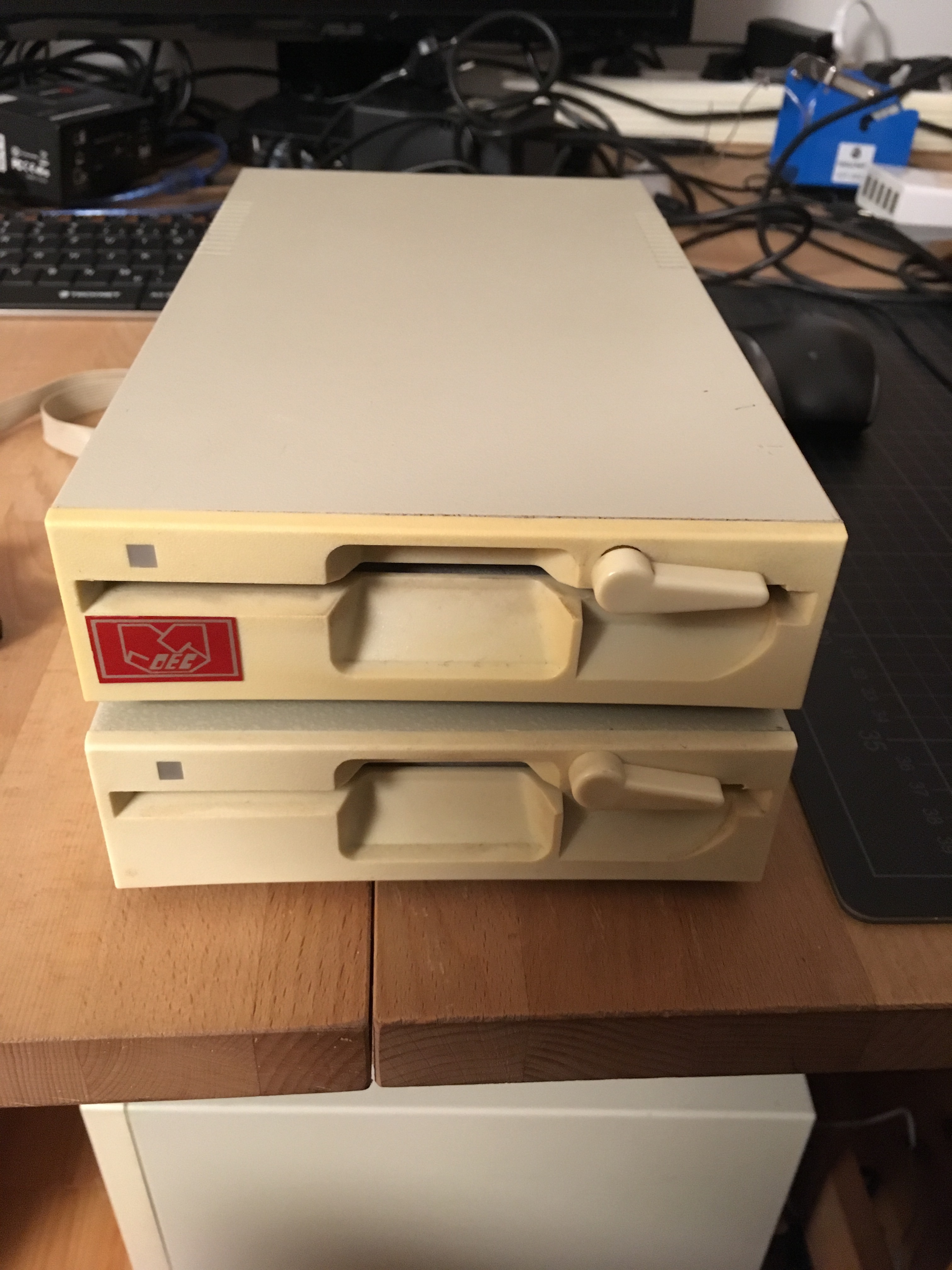
I have previously analyzed the ROM images of some third party disk drives for the Commodore 64: The result was that most of them were just using the original binaries with some obfuscation, and some with some added features. This time, let’s look at another drive, the “Technica”, which is a little special in this regard.
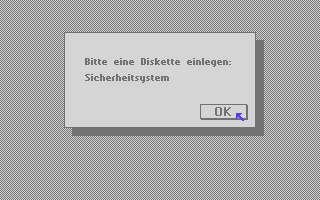
I have this pile of broken GEOS disks that were sent in for replacements. In two previous articles (1, 2), I explored the reasons why the disks broke. Now let’s be constructive: Can we reconstruct the original bits by combining the correct parts? This article shows how it is possible with the help of a small tool that combines the good parts of several broken disk images.

I happened to come across 50 original German GEOS 2.0 disks that were broken and sent in for replacement. In the first part, I covered the disks that were broken probably due to user error. Now let’s look at the read errors on the remaining disks. As it turns out, there might be a bug in GEOS that caused the boot disks to break!
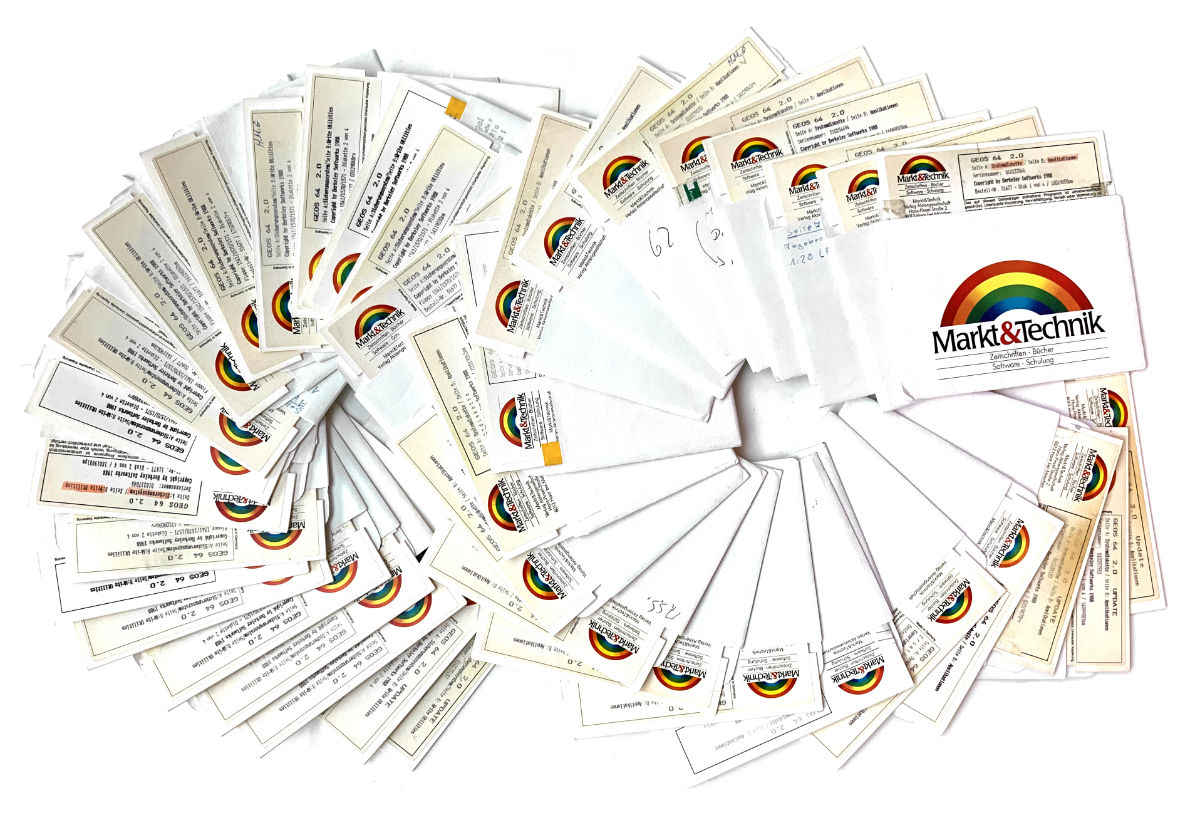
The most fragile things in the universe (next to C64 PLA chips) are C64 GEOS boot disks. Because of its copy-protection, the “Graphic Environment Operating System” had to be booted from the original disk every time. The disk failed so often that the box came with a second “backup” boot disk.
My side-by-side C64 ROM disassembly/commentary page has been completely redone!
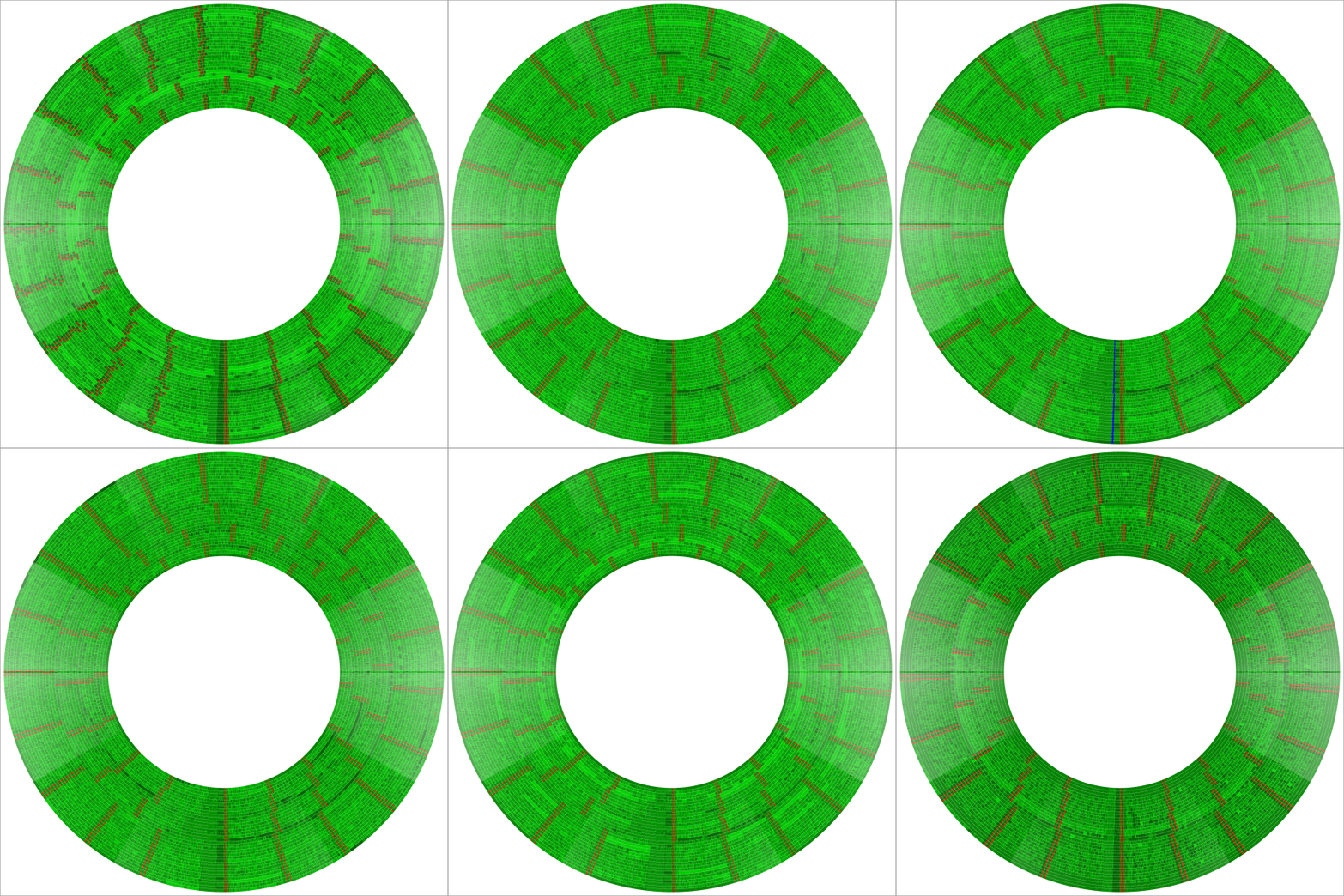
G64 files are C64/1541 disk images that contain all bits as they are physically laid out on the 5¼-inch floppy disk. Let’s visualize them!
The original Commodore TED (C16, C116, Plus/4) source code has recently appeared on zimmers.net. It is also available in my Commodore Source Code git repository.
You might think the DOS ROM of the Commodore 1541 disk drive has been analyzed to death. But here are two new resources:
Most Commodore 64 users had a 1541 disk drives, but there were always also third part options. Most of them claimed full 1541 compatibility, which sounds impossible without using the same ROM. Let’s analyze the ROMs of some third party drives!
Over the years, the ROM source code of many Commodore computers and peripherals has appeared. I have been collecting them in a git repository here:
It’s pretty simple to archive Commodore 64 tapes, but it’s hard if you want to do it right. Creating the complete archive of the German “INPUT 64″ magazine was not as easy as getting one copy of each of the 32 tapes and reading them. The tapes are over 30 years old by now, and many of them are hardly readable any more.
The complete archive of the German Commodore 64 magazine INPUT 64 (PDF, tapes, disks) is now available here.