Microsoft BASIC for 6502 Original Source Code [1978]
This is the original 1978 source code of Microsoft BASIC for 6502 with all original comments, documentation and easter eggs:
Some Assembly Required
This is the original 1978 source code of Microsoft BASIC for 6502 with all original comments, documentation and easter eggs:
In our series about C64 ROM commentaries (English version by Lee Davison, German version by Data Becker), I’m now presenting a most unusual C64 ROM commentary – based on a commented disassembly of the Apple II ROM.
After last week’s German C64 ROM disassembly from the “64 intern” book, I have now also converted Lee Davison’s commented disassembly into the same format.
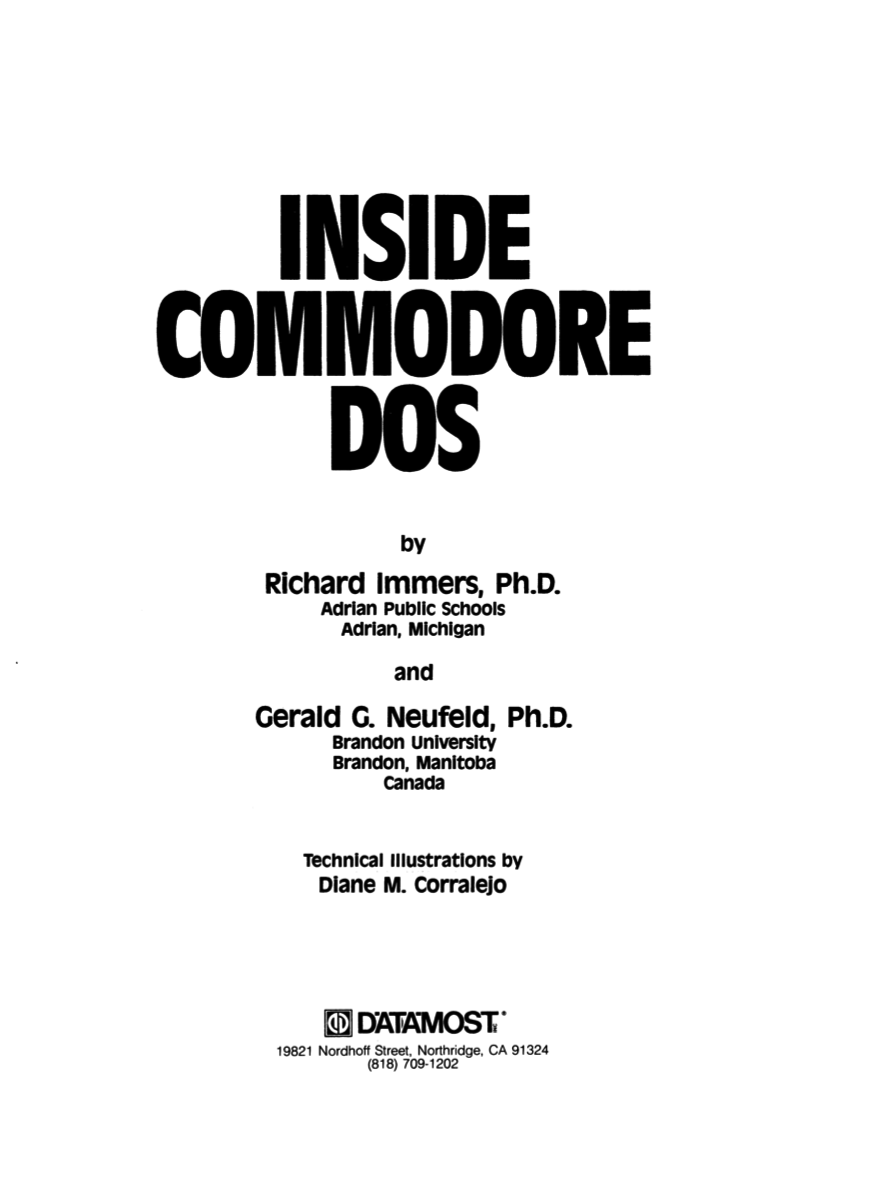
Whenever I need to look up some code in the ROM of the Commodore 64, I have the choice of the commented disassembly by Marko Mäkelä, the one by Ninja/The Dreams, or the one by Lee Davison – or I can just use my paper copy of “Das neue Commodore-64-intern-Buch“, an excellent line-by-line commentary in German.
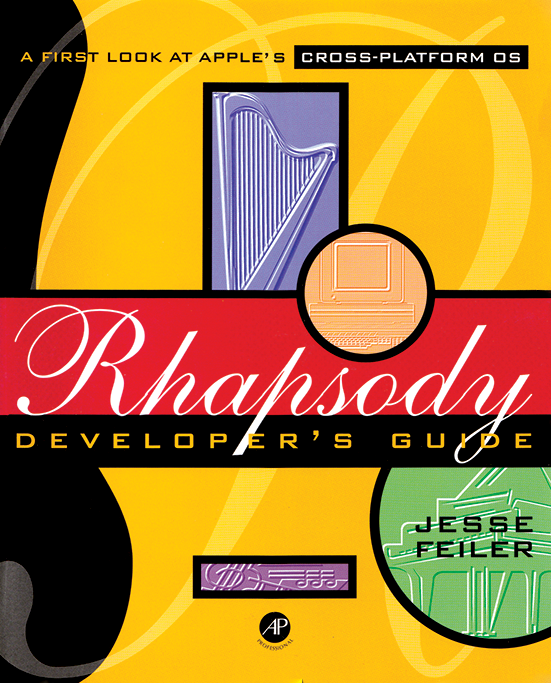
Feiler, Jesse.
Rhapsody Developer’s Guide.
Boston: AP Professional, 1997.
ISBN 0-12-251334-7
(528 pages, 13.3 MB PDF)

by James Abbatiello
by Julien Oster, reprinted with permission.
by Mike Pall, published with permission.
by Thomas Tempelmann, reprinted with permission.

(This article is about a German-language podcast episode on the C64.)

Ron Gilbert posted this as a comment on The Mansion – Technical Aspects, I am re-posting it here as an article.

by enthusi
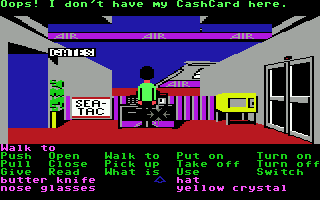
It seems that a lot of readers of pagetable.com are fans of SCUMM games like Maniac Mansion (and at least one is their creator). Here is a puzzle for you (credits go to Bernhard Bauer):
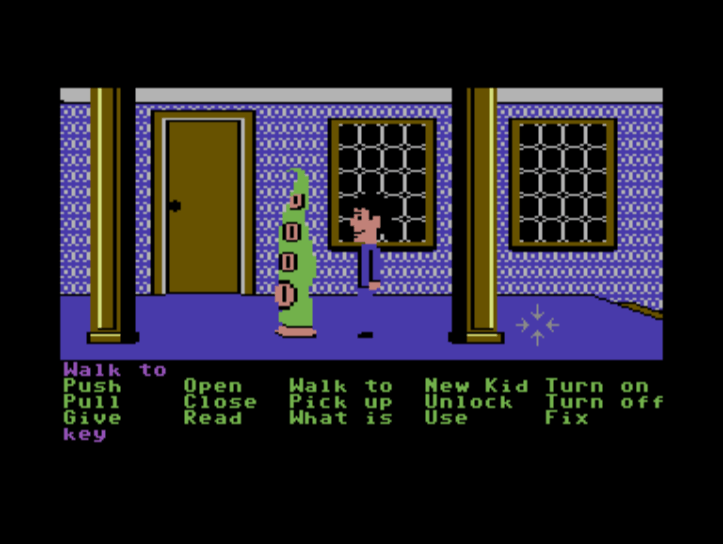
In (any version of) Maniac Mansion, if one kid is in the hallway with Green Tentacle, any other kid (even Syd and Razor) will refuse to go up the stairs to that hallway: “I’m not going up there… that monster’s got my friend!”
(Read comments for solution.)
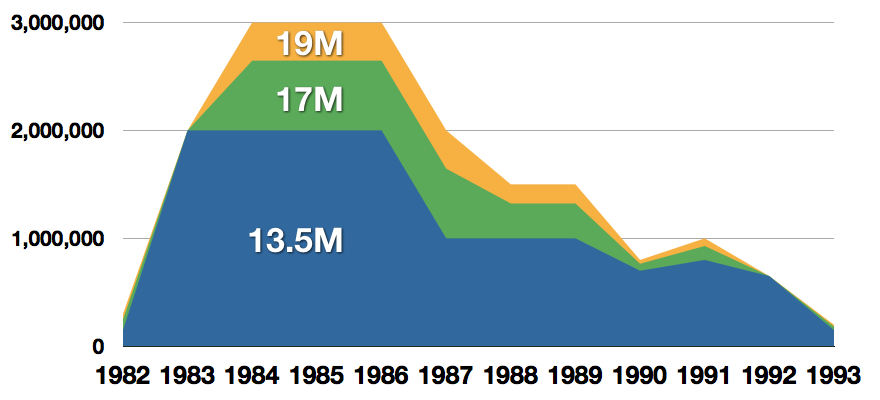
Nobody doubts that the C64 was the greatest selling single computer model of all time, it even made it into the Guinness Book of World Records, but nobody quite knows how many it really was: Most sources say 17 million, others say 22 or even 30 million. With a high degree of confidence, I can now say that Commodore only sold 12.5 million units – how I would know that, you ask, and how do I dare to contradict well-known facts? By analyzing serial numbers!

The Commodore Plus/4, the C16 and the C116 from 1984 were members of the 6502-based “TED” series, named after the 7360 TED (“Text Editing Device”) video controller. The TED systems were basically the low-cost cousins of the C64: The overall system architecture and the video chip are very similar to the C64’s, but they lack certain features like hardware sprites. On the other hand, there are some added features like extra colors and more control over the internal timing of the video chip.