Das Maschinensprache-Buch zum Commodore 64 [PDF]
Reconstructing the GEOS 2.0 (de) Master Images from a Pile of Broken Disks
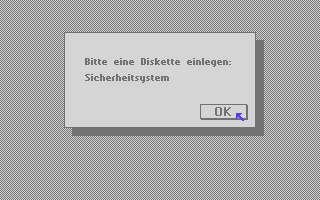
I have this pile of broken GEOS disks that were sent in for replacements. In two previous articles (1, 2), I explored the reasons why the disks broke. Now let’s be constructive: Can we reconstruct the original bits by combining the correct parts? This article shows how it is possible with the help of a small tool that combines the good parts of several broken disk images.
Building and Hacking on the C64 KERNAL & BASIC with Modern Tools
The original Commodore 64 KERNAL and BASIC source code has been available for a while. It used to be built using Commodore’s assembler of a PET.
A GEOS Speed Zone Bug? (Why Do C64 GEOS Boot Disks Break, Part 2)

I happened to come across 50 original German GEOS 2.0 disks that were broken and sent in for replacement. In the first part, I covered the disks that were broken probably due to user error. Now let’s look at the read errors on the remaining disks. As it turns out, there might be a bug in GEOS that caused the boot disks to break!
Why Do C64 GEOS Boot Disks Break? (Part 1)
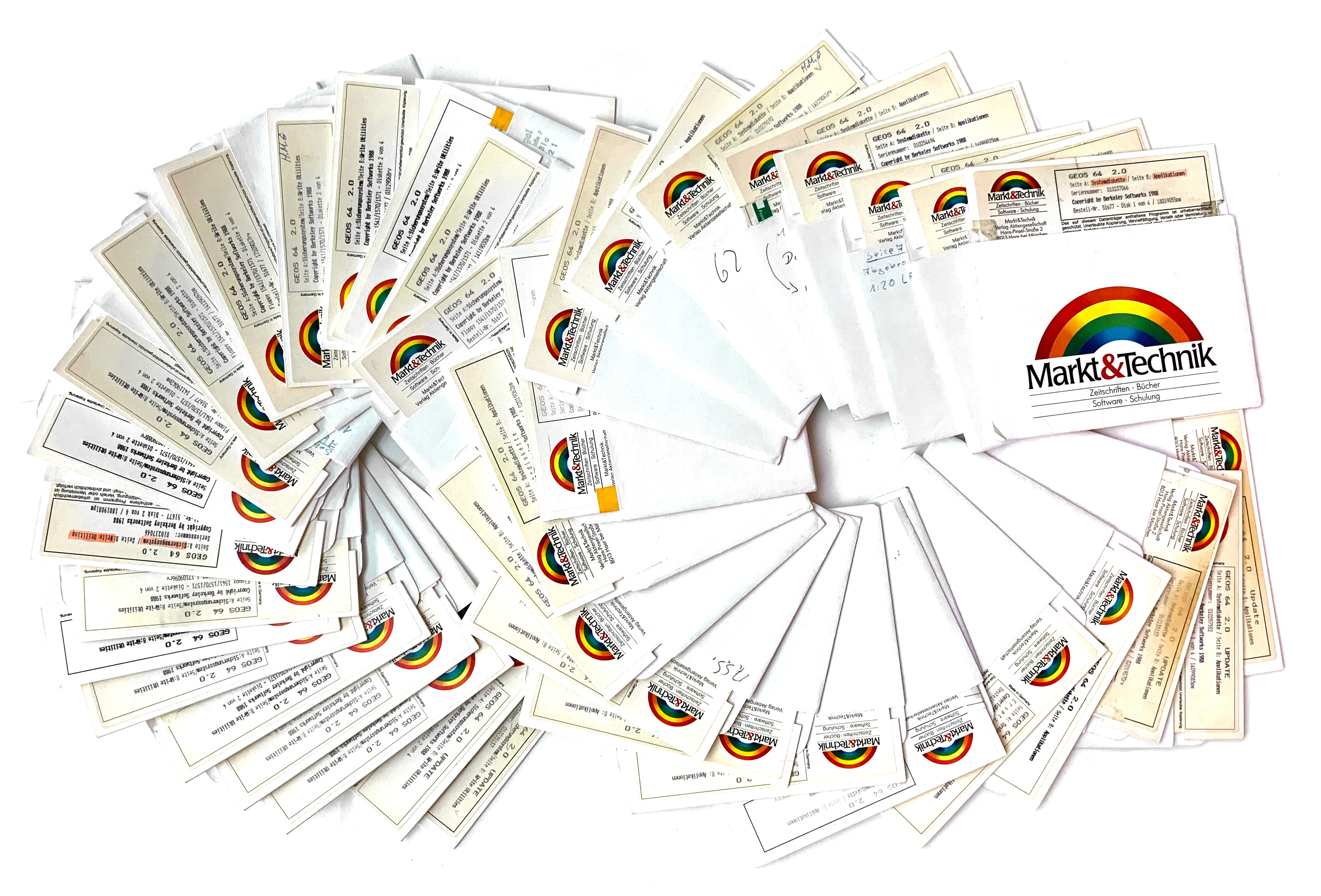
The most fragile things in the universe (next to C64 PLA chips) are C64 GEOS boot disks. Because of its copy-protection, the “Graphic Environment Operating System” had to be booted from the original disk every time. The disk failed so often that the box came with a second “backup” boot disk.
Ultimate Commodore 64 BASIC & KERNAL ROM Disassembly
My side-by-side C64 ROM disassembly/commentary page has been completely redone!
Original Commodore Source Code Collection
Over the years, the ROM source code of many Commodore computers and peripherals has appeared. I have been collecting them in a git repository here:
Das neue Commodore 64 Intern Buch [PDF]
Archiving C64 Tapes Correctly
It’s pretty simple to archive Commodore 64 tapes, but it’s hard if you want to do it right. Creating the complete archive of the German “INPUT 64” magazine was not as easy as getting one copy of each of the 32 tapes and reading them. The tapes are over 30 years old by now, and many of them are hardly readable any more.
INPUT 64 Magazine Complete Archive
The complete archive of the German Commodore 64 magazine INPUT 64 (PDF, tapes, disks) is now available here.
Video of a Real C64 Defragmenting a Disk
Here is a 21 minute video of defrag1541 running on a real Commodore 64 – with sound!
A Visual Defragmenter for the Commodore 64
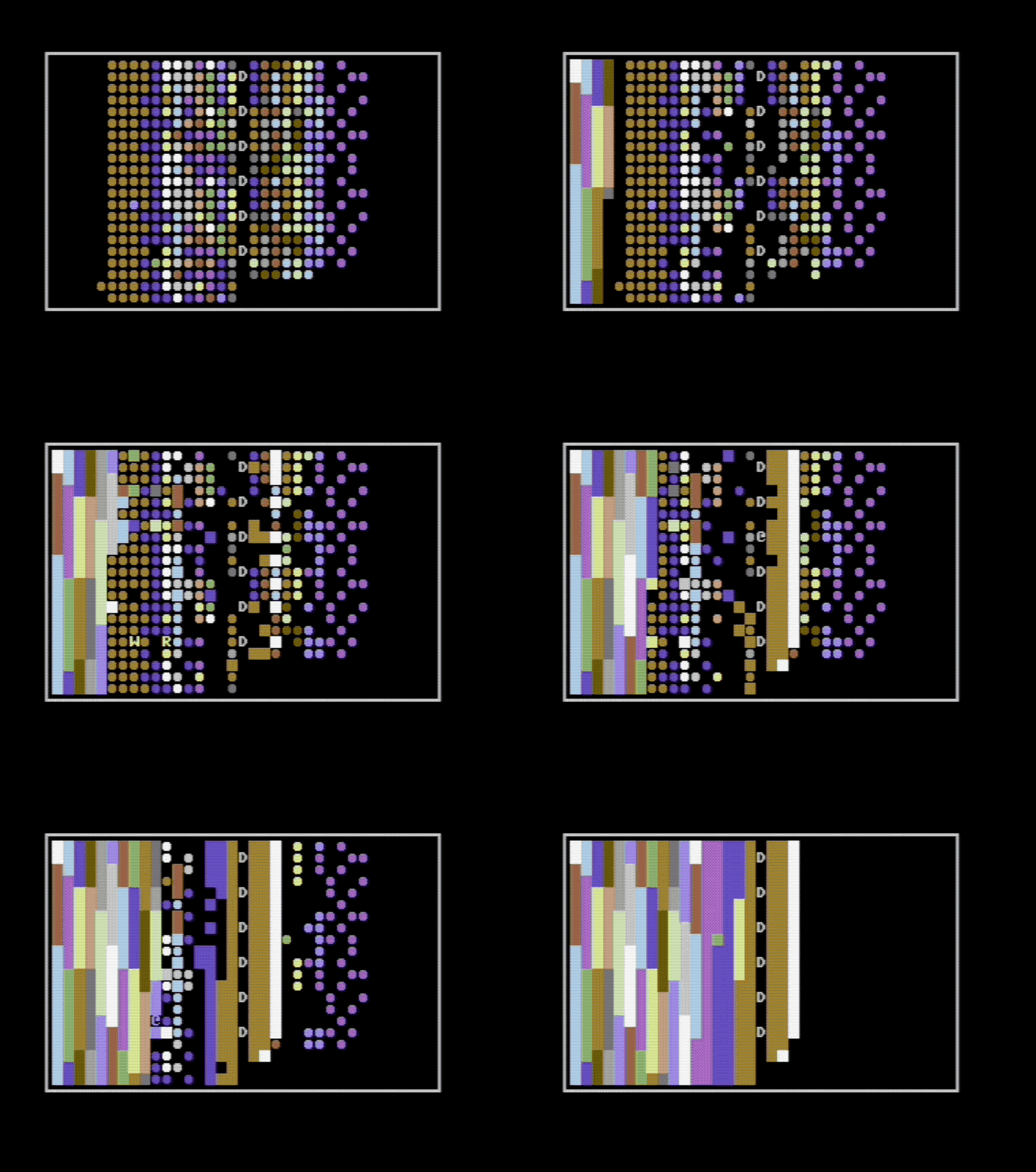
For decades, PC users have been able to relax by watching the computer defragment a disk. Now C64 users can do the same! Introducing “defrag1541”, a disk defragmentation tool for C64 and 1541.
C64-Artikel in der c't Retro 2018
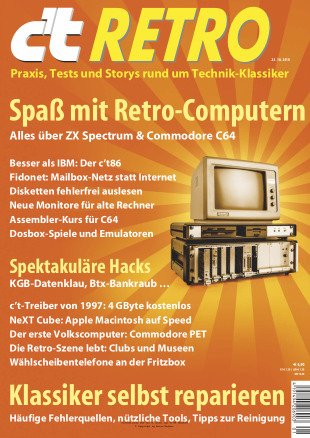
This post is about articles I wrote for the c’t magazine in German language. The post is therefore in German.
A Minimal C64 Datasette Program Loader
The Commodore Datasette recording format is heavily optimized for data safety and can compensate for many typical issues of cassette tape, like incorrect speed, inconsistent speed (wow/flutter), and small as well as longer dropouts. This makes the format more complex and way less efficient than, for example, “Turbo Tape” or all other custom formats used by commercial games. Let’s explore the format by writing a minimal tape loader for the C64, optimized for size, which can decode correct tapes, but does not support error correction.
Making Of "Murdlok", the new old adventure game for the C64
Recently, the 1986 adventure game “Murdlok” was published here for the first time. This is author Peter Hempel‘s “making-of” story, in German. (English translation)
Murdlok: A new old adventure game for the C64
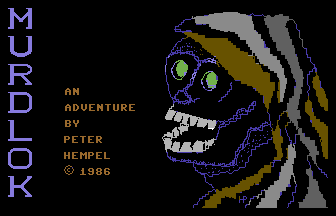
Murdlok is a previously unreleased graphical text-based adventure game for the Commodore 64 written in 1986 by Peter Hempel. A German and an English version exist.
62 Reverse-Engineered C64 Assembly Listings
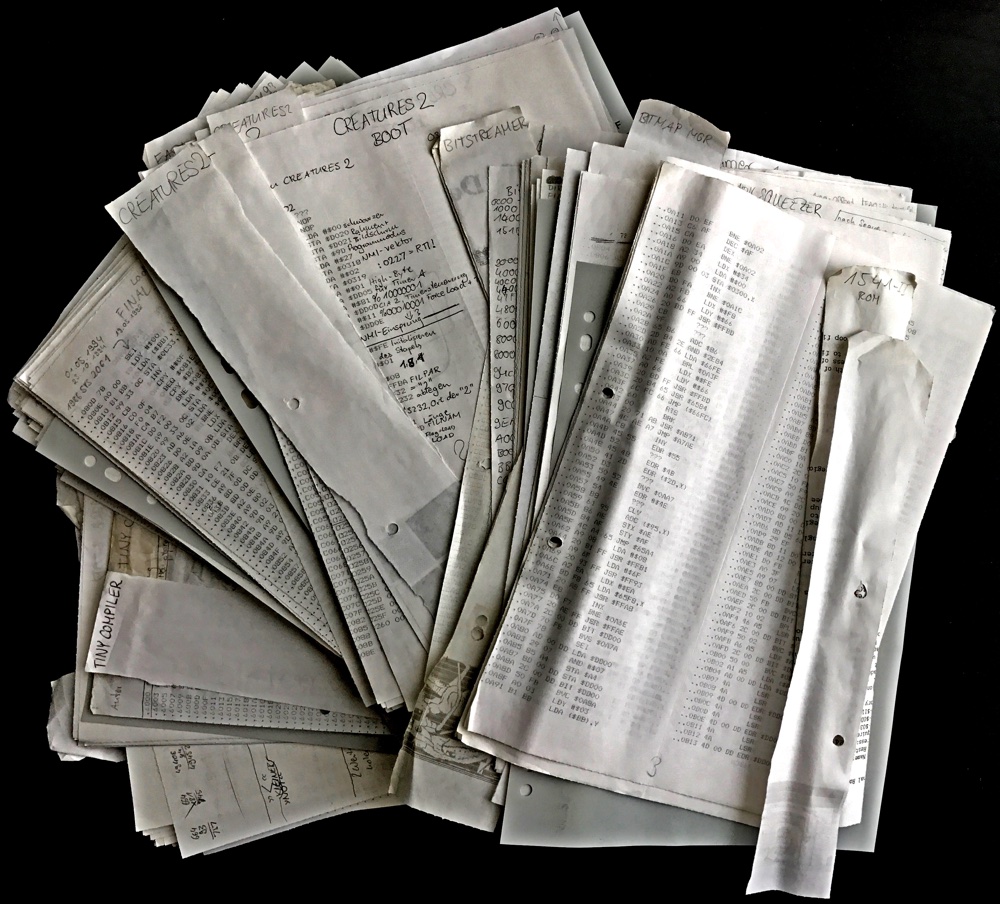
Between 1992 and 1995, I reverse engineered Commodore 64 applications by printing their disassemblies on paper and adding handwritten comments (in German). These are the PDF scans of the 62 applications, which are 552 pages total.
80 Columns Text on the Commodore 64
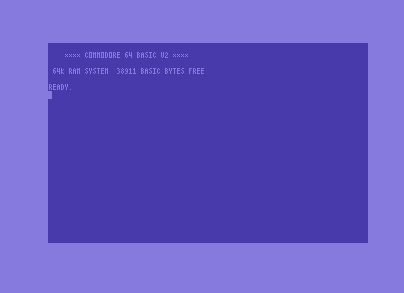
The text screen of the Commodore 64 has a resolution of 40 by 25 characters, based on the hardware text mode of the VIC-II video chip. This is a step up from the VIC-20’s 22 characters per line, but since computers in the professional segment (Commodore PET 8000 series, CP/M, MS-DOS) usually had 80 columns, several solutions – both hardware and software – exist to allow 80 columns on a C64 as well. Let’s look at how this is done in software! At the end of this article, I present a fast and full-featured open source implementation with several different character sets.
Building the Original Commodore 64 KERNAL Source
Many reverse-engineered versions of “KERNAL”, the C64’s ROM operating system exist, and some of them even in a form that can be built into the original binary. But how about building the original C64 KERNAL source with the original tools?
Reverse-Engineered GEOS 2.0 for C64 Source Code
The GEOS operating system managed to clone the Macintosh GUI on the Commodore 64, a computer with an 8 bit CPU and 64 KB of RAM. Based on Maciej Witkowiak's work, I created a reverse-engineered source version of the C64 GEOS 2.0 KERNAL for the cc65 compiler suite: