TopDesk 1.3 GEOS64/128 Original Source
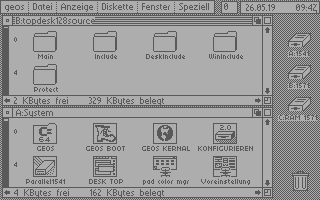
Thanks to Falk Rehwagen and Jürgen Heinisch, the original source of the TopDesk file manager for the GEOS operating system of C64/C128 is available.
Tynemouth Minstrel ZX80 Clone Kit
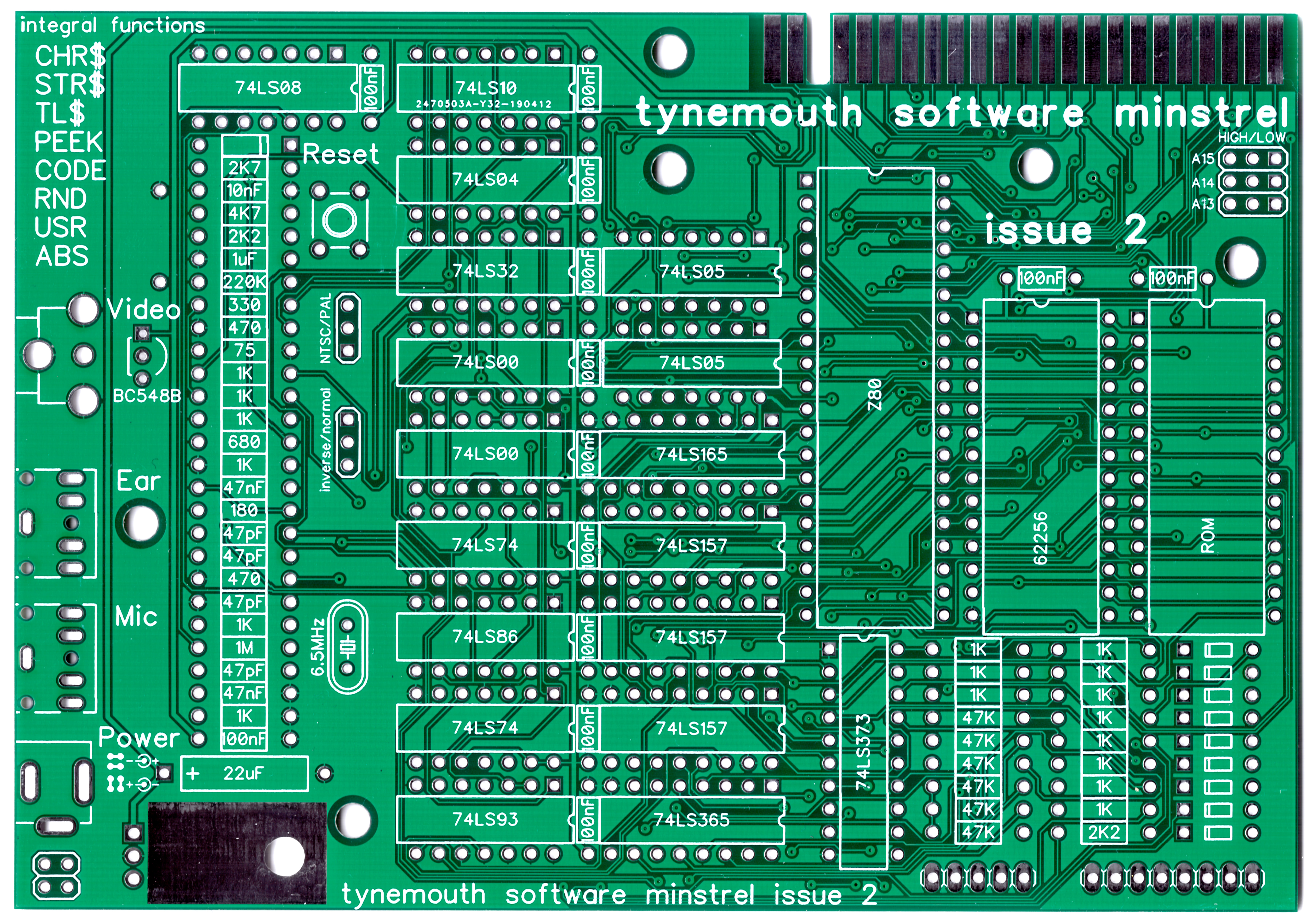
I have previously shown an unassembled Sinclair ZX81 Kit that could be bought in the early 80s. Today, it is possible to buy a clone of the ZX80 from Tynemouth Software. Here are some pictures.
Converting a Commodore 1541 or 1570 Drive into a 1551
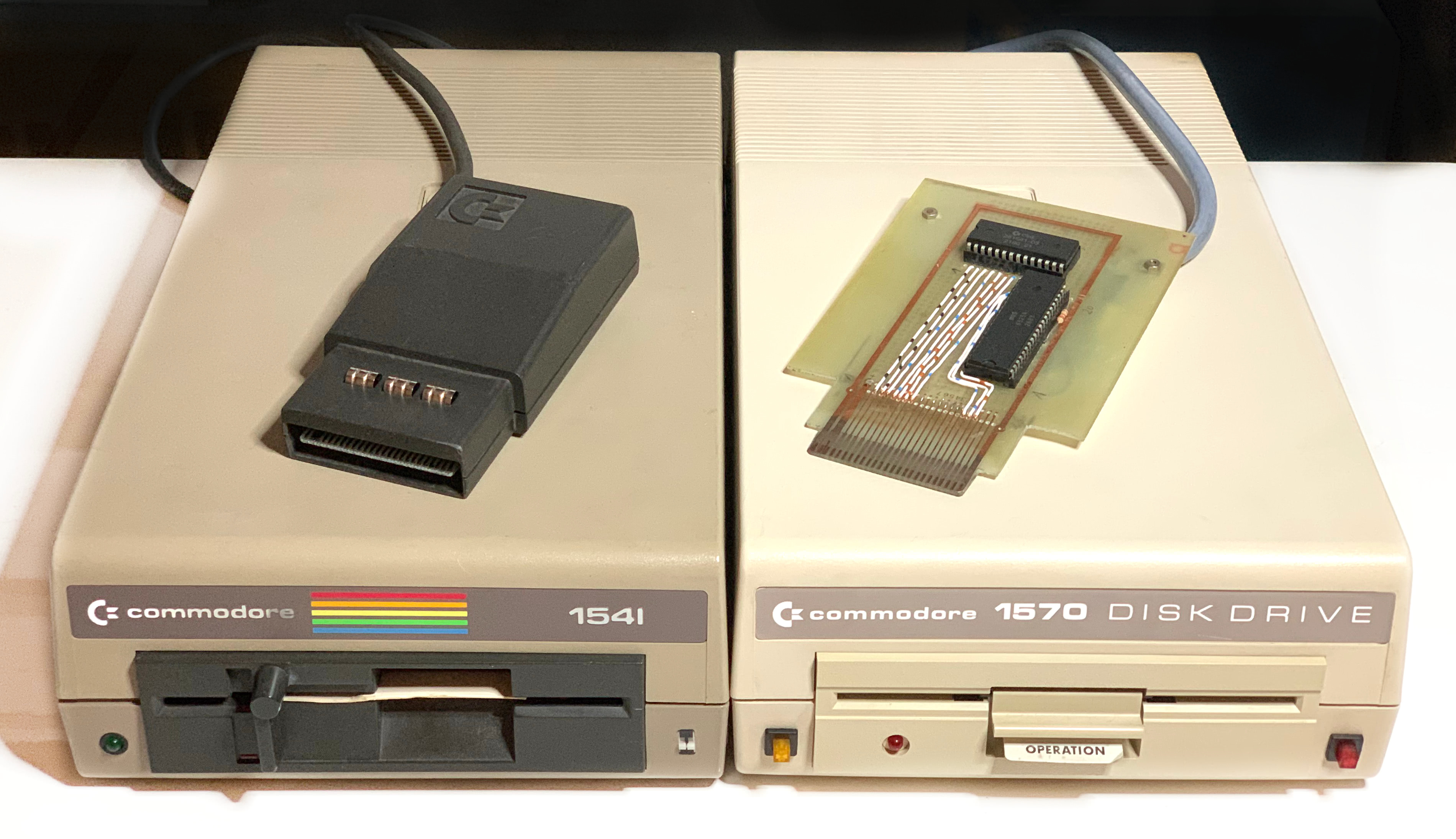
The 1551 is the weird outlier in the family of Commodore disk drives: It is the only drive using the “TCBM” bus instead of Serial or IEEE-488. And what’s even weirder? 1541 and 1570 drives converted into 1551s!
More Original Commodore Source Code
There have been a few new interesting additions to the Commodore Source Code repository, including:
Commodore Peripheral Bus: Part 5: TCBM
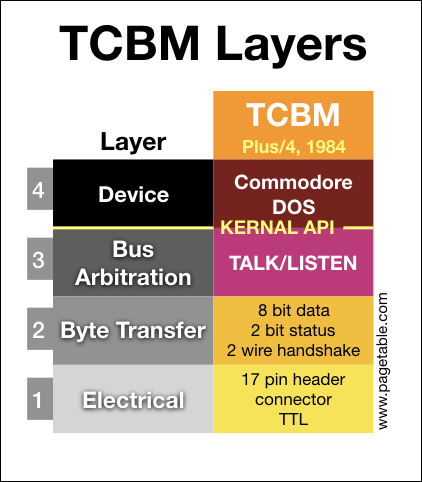
In the series about the variants of the Commodore Peripheral Bus family, this article covers the lowest two layers (electrical and byte transfer) of the “TCBM” bus as found on the TED series computers: the C16, C116 and the Plus/4.
Run CP/M on your C64 – using Emulation!
In this episode of computer archeology, we deconstruct a very interesting case of borrowing code from multiple places – but first try this D64 disk image with any Commodore 64 emulator or a real C64:
C64 CP/M Cartridge
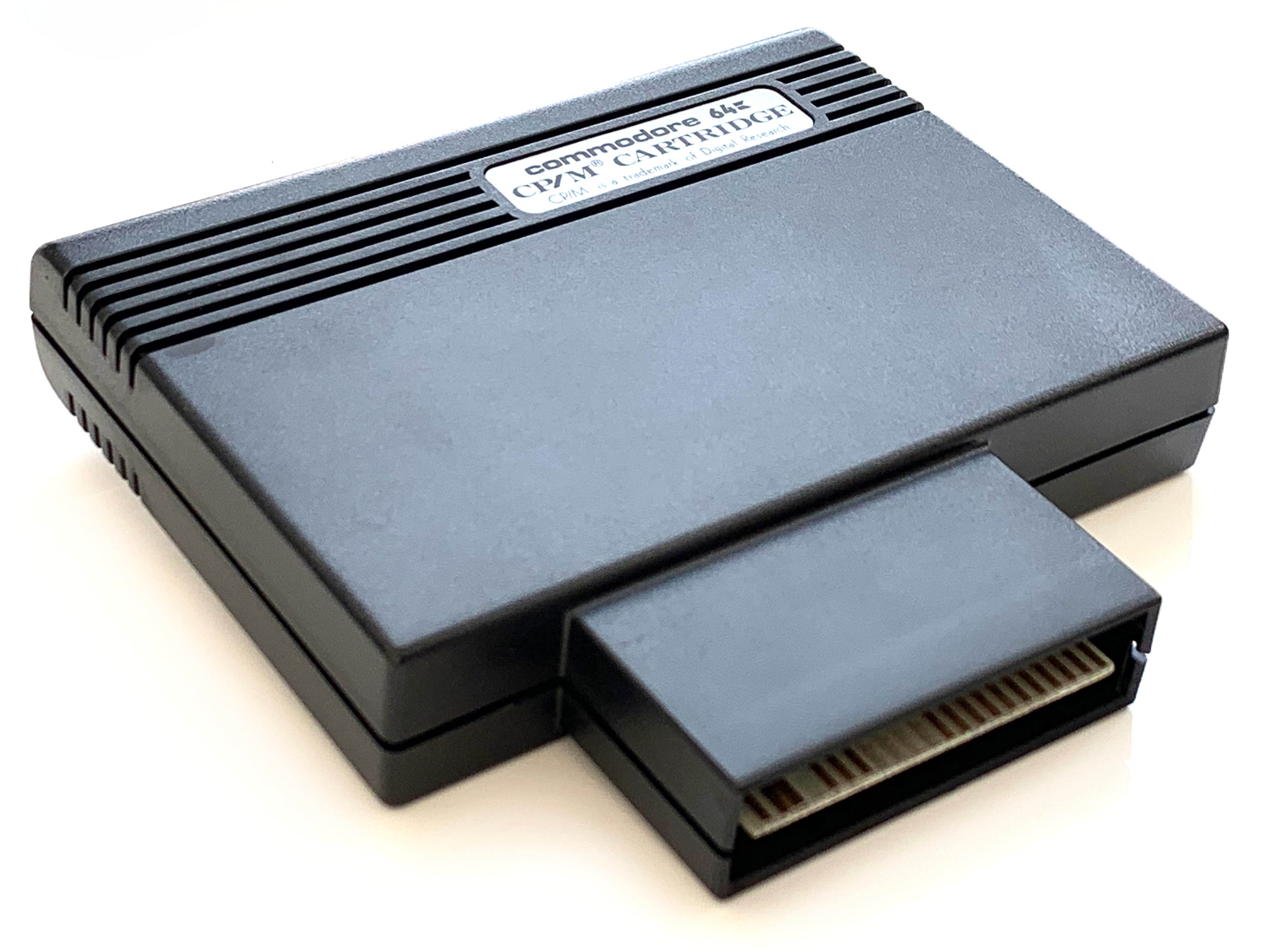
The cartridge that makes a C64 a “dual processor” computer: Commodore’s CP/M cartridge for C64 contains a Z80 CPU and comes with version 2.2 of the CP/M operating system. Here are some pictures.
Commodore Bildschirmtext II Decoder Cartridge
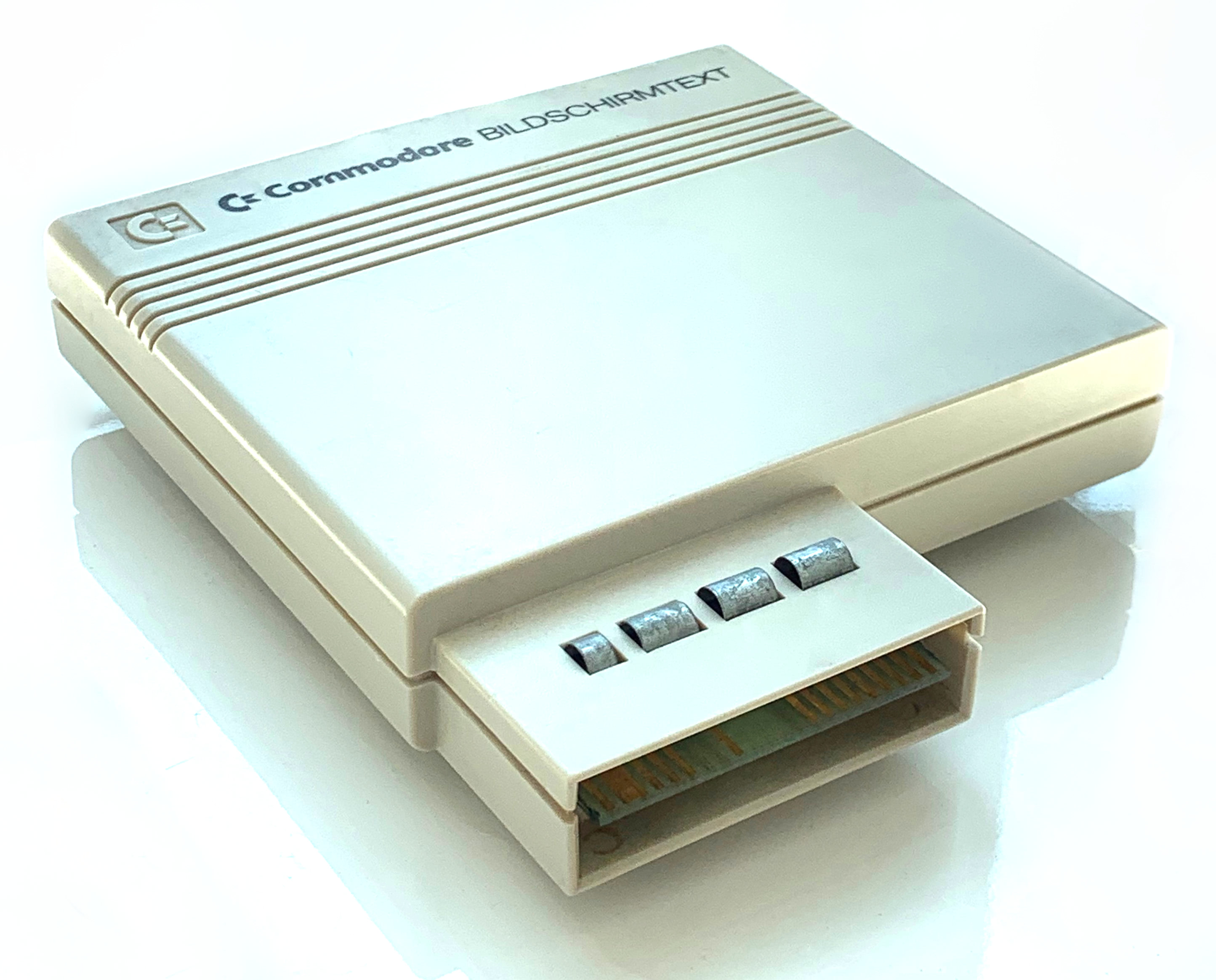
Here are some pictures of the outside and the inside of a Commodore Bildschirmtext II Decoder Cartridge for the C64 – a 6800-based computer connected to the expansion port!
Sinclair ZX81 Kit
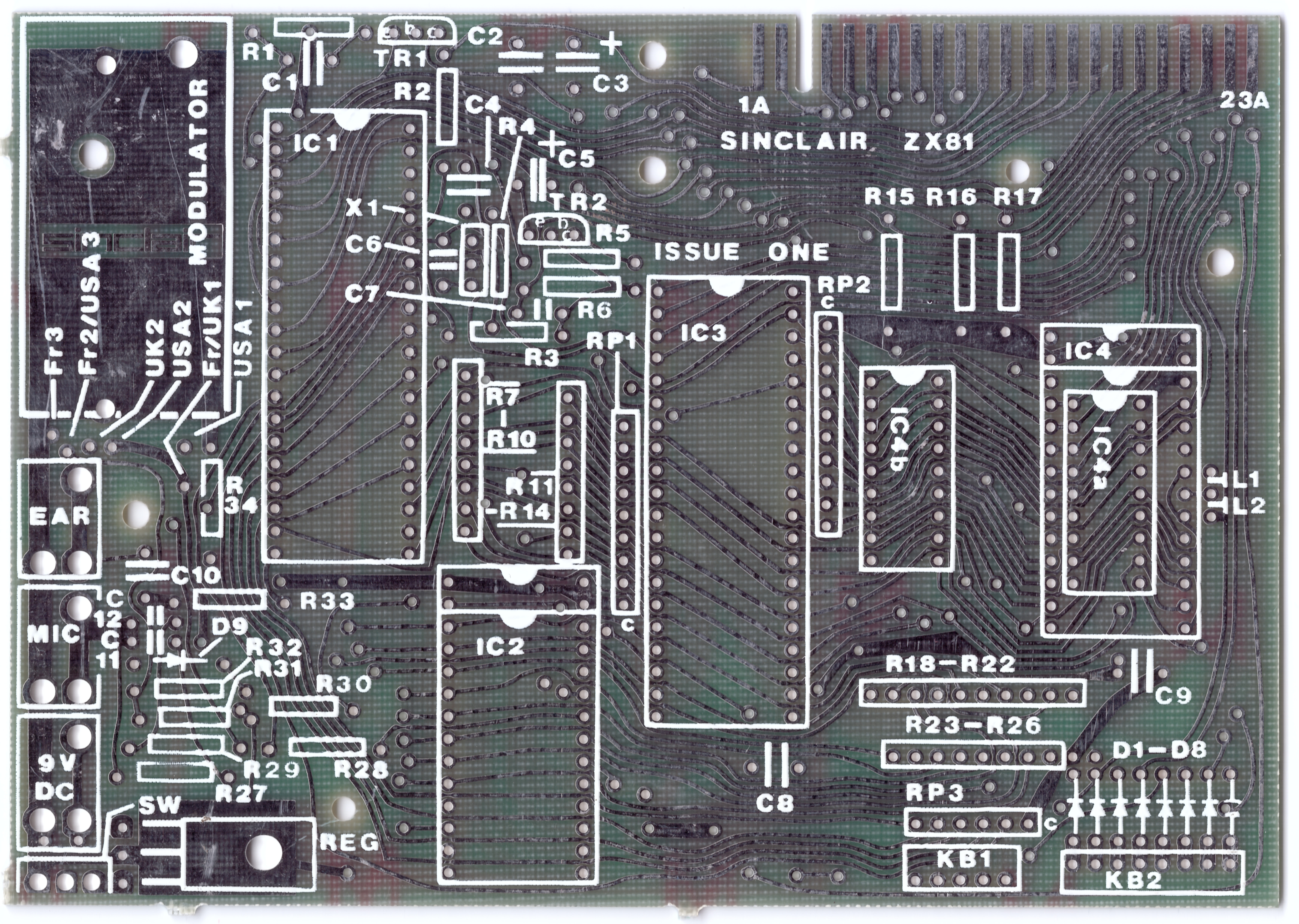
Here are hi-res photos of an unassembled Sinclair ZX81 kit, with German assembly instructions.
Blue Chip BCD/5.25 Disk Drive
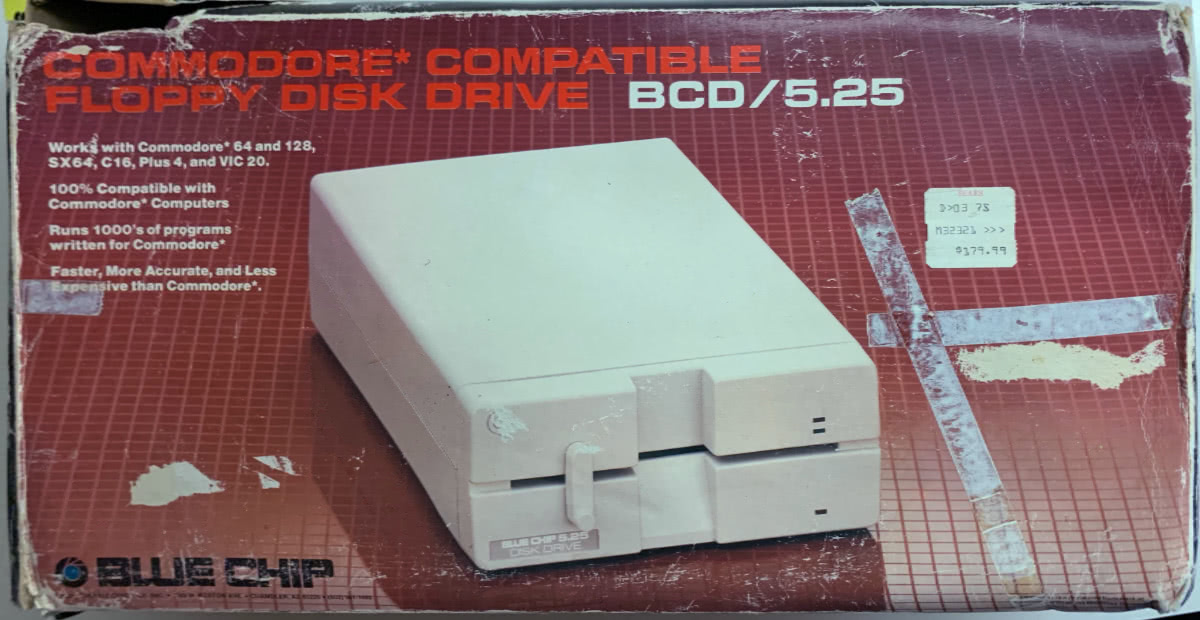
After previously dissecting the firmware of alternate C64 disk drives, let’s now look at the hardware of one: This is the Blue Chip BCD/5.25.
Recovering Files from Broken Amiga OFS Disks
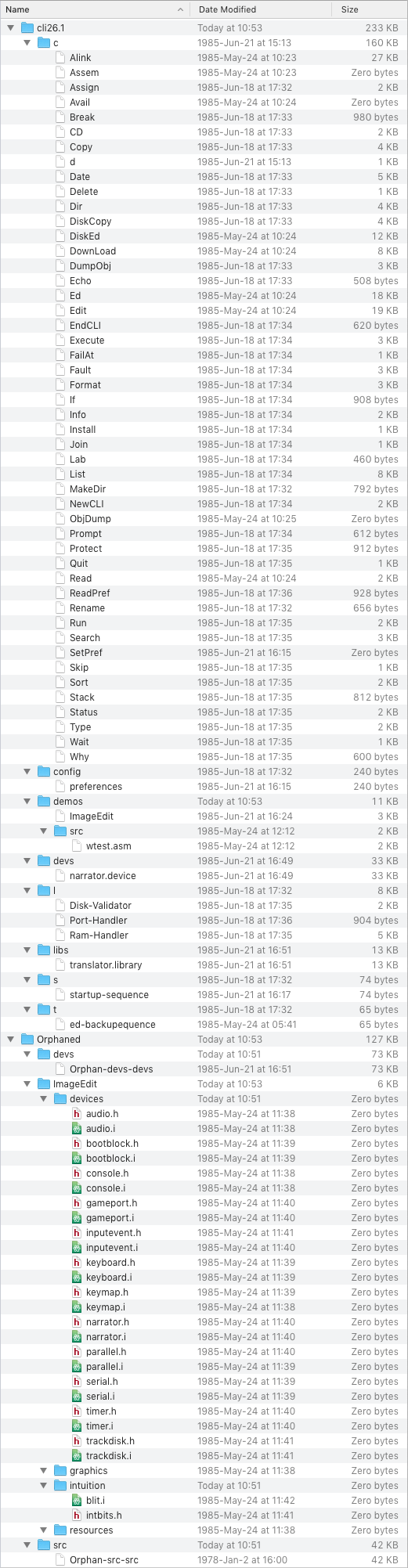
extract-adf is a tool for recovering files from broken Amiga OFS filesystem images. It can reconstruct directory hierarchies even for files that don’t have directory entries.
The Commodore IEEE-488 Cartridge for C64
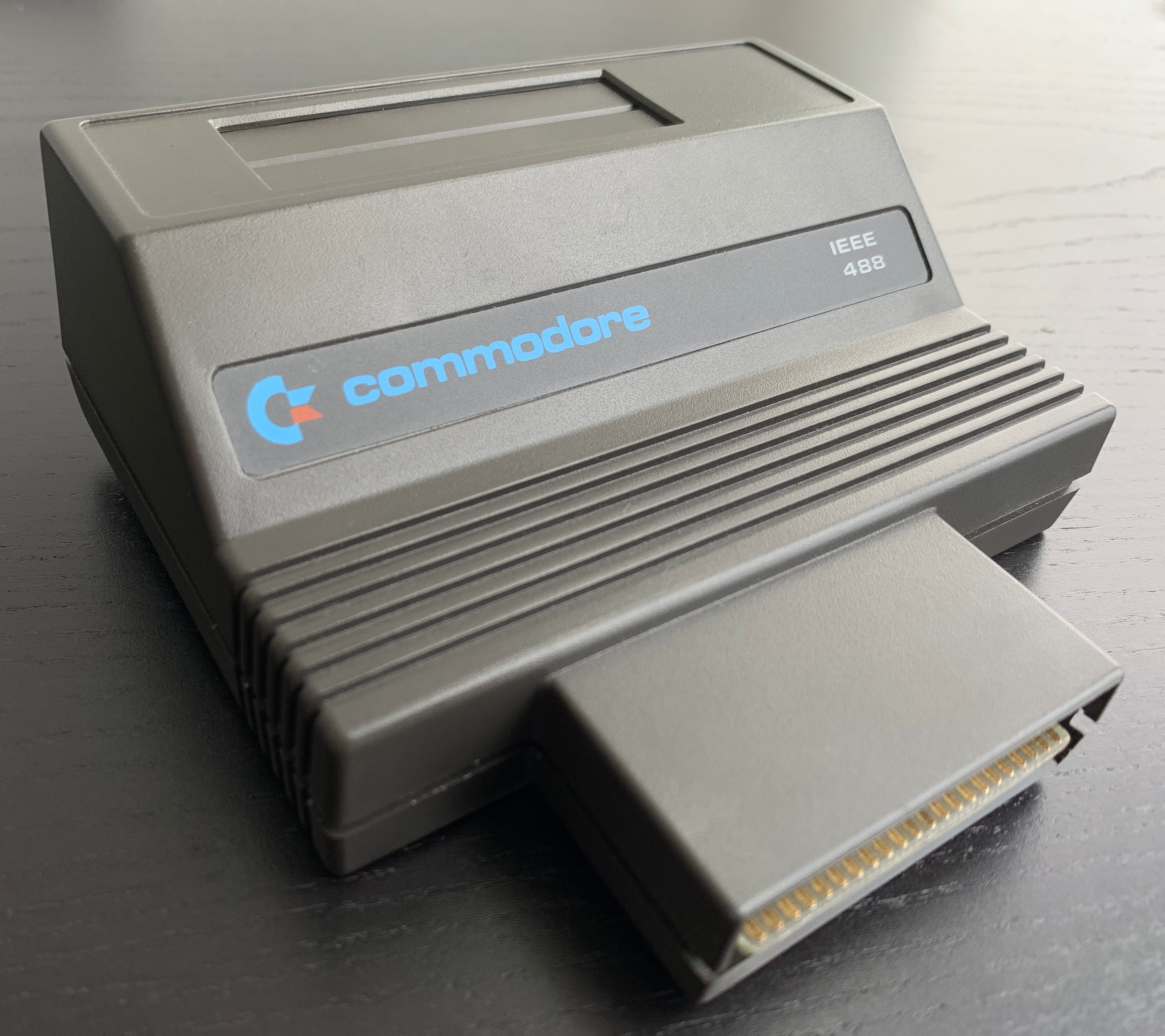
Commodore 64 disk drives were usually connected through the slow serial bus. This article shows some hi-res photos of the Commodore “IEEE-488 cartridge”, which made the faster PET drives available for the C64.
Final Cartridge III with GEOS

The Final Cartridge III is great: It comes with a disk speeder, BASIC extensions, an excellent monitor – and an impressive, but ultimately useless GUI, because there are practically no applications for it. Let’s replace the FC3 GUI with GEOS!
Boxed MOS 6502 CPU
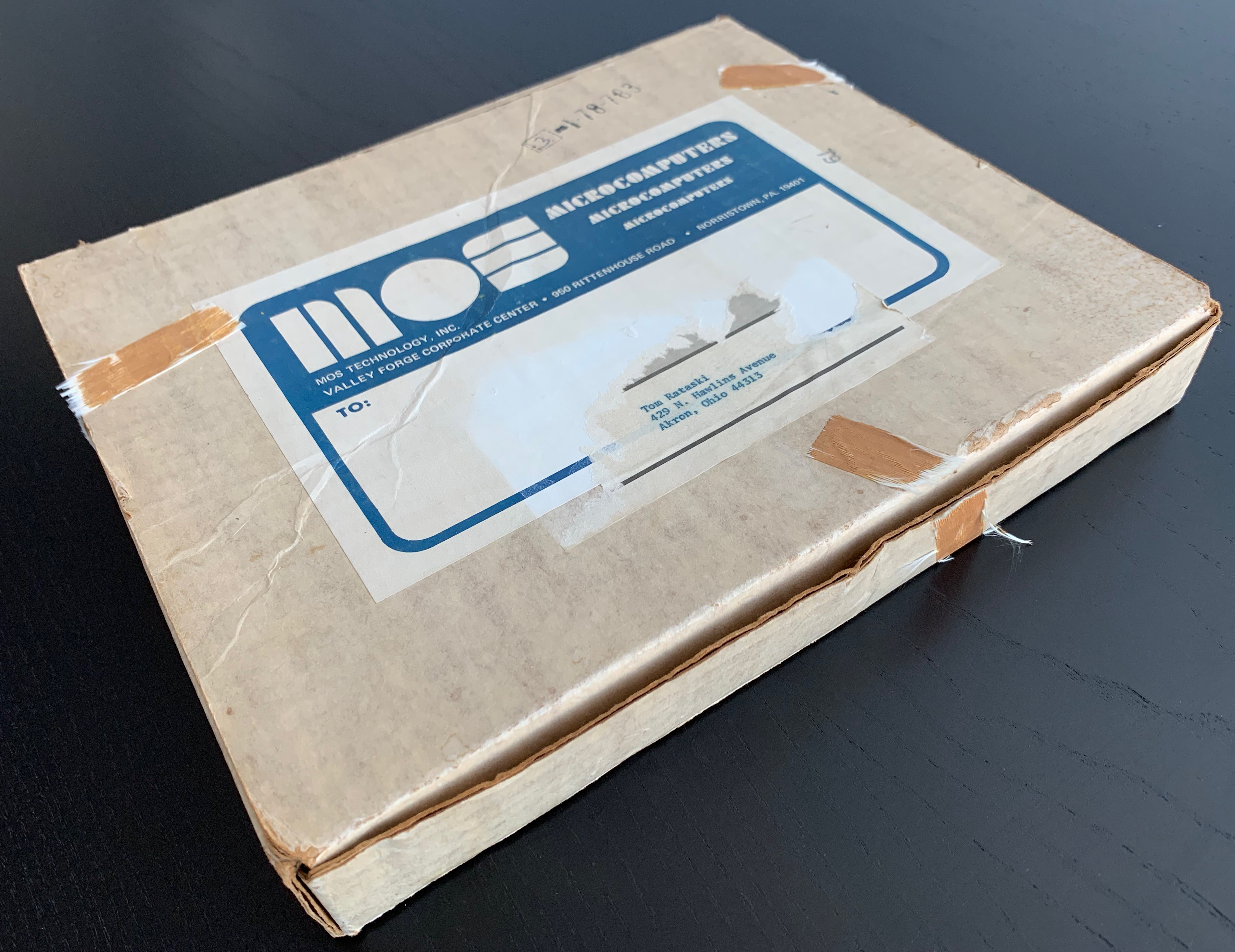
Back in 1975, you could order a boxed 6502 CPU directly from MOS in Norristown, PA. Here are some high-res photos of such a box and its contents.
Commodore MAX Machine
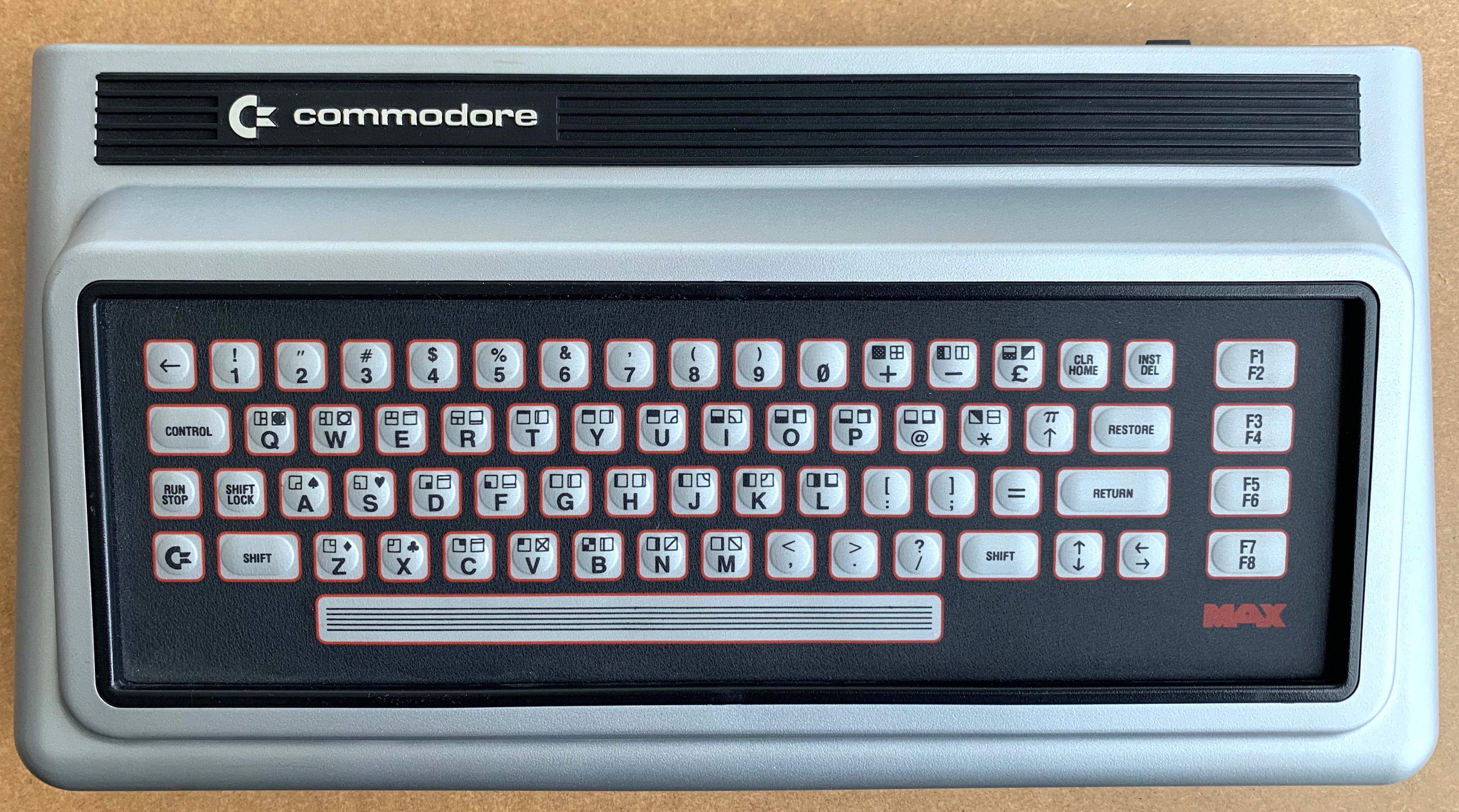
Here are some hi-res pictures of the Commodore MAX machine (aka Ultimax or VC-10), a stripped-down game console variant of the Commodore 64 that was briefly available in 1982.
Bildschirmtext-Demovideos von 1994

This article is about screen captures of the discontinued German online service Bildschirmtext/Btx.
Illegal Opcode Support for the Final Cartridge III Monitor
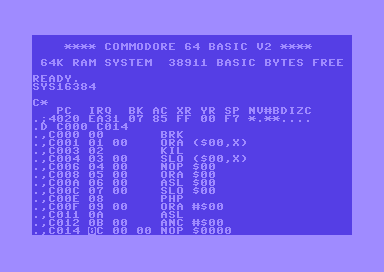
The monitor built into the Final Cartridge III is one of the best ones for the C64. Some of its unique features are:
Commodore Peripheral Bus: Part 4: Standard Serial
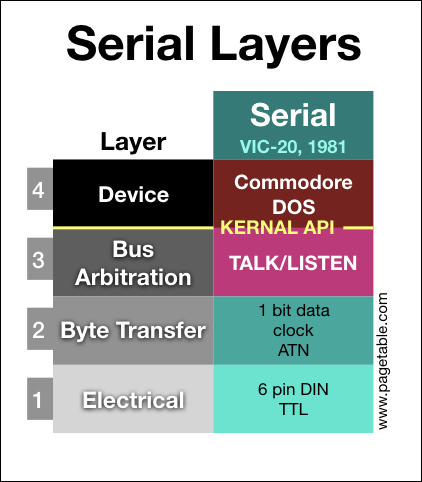
In the series about the variants of the Commodore Peripheral Bus family, this article covers the lowest two layers (electrical and byte transfer) of the “Standard Serial” bus as found on the VIC-20/C64 as the main bus, but also supported by all other Commodore home computers.
GEOS Demo [GIF]
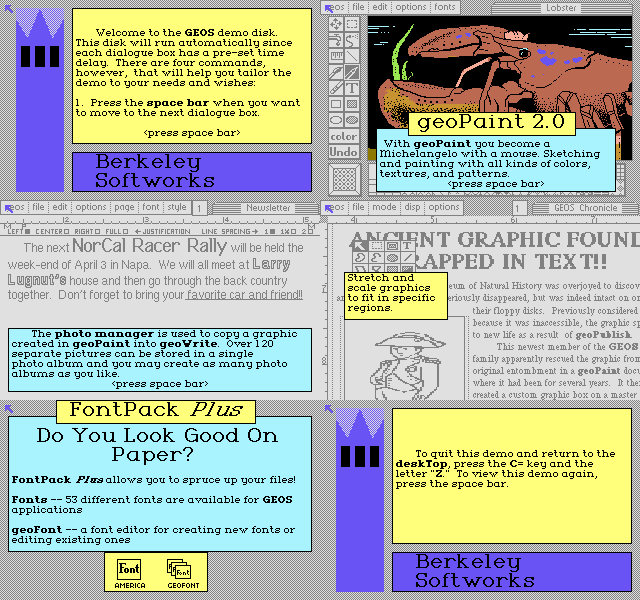
The GEOS operating system for the Commodore 64 achieved to replicate much of the GUI of the original Macintosh on a 1 MHz 8 bit CPU with just 64 KB of RAM. The GEOS Demo is a presentation by Berkeley Softworks (BSW), the creators of GEOS, to showcase the features of GEOS and BSW’s applications.
The Commodore 8250 Dual Drive Floppy Disk
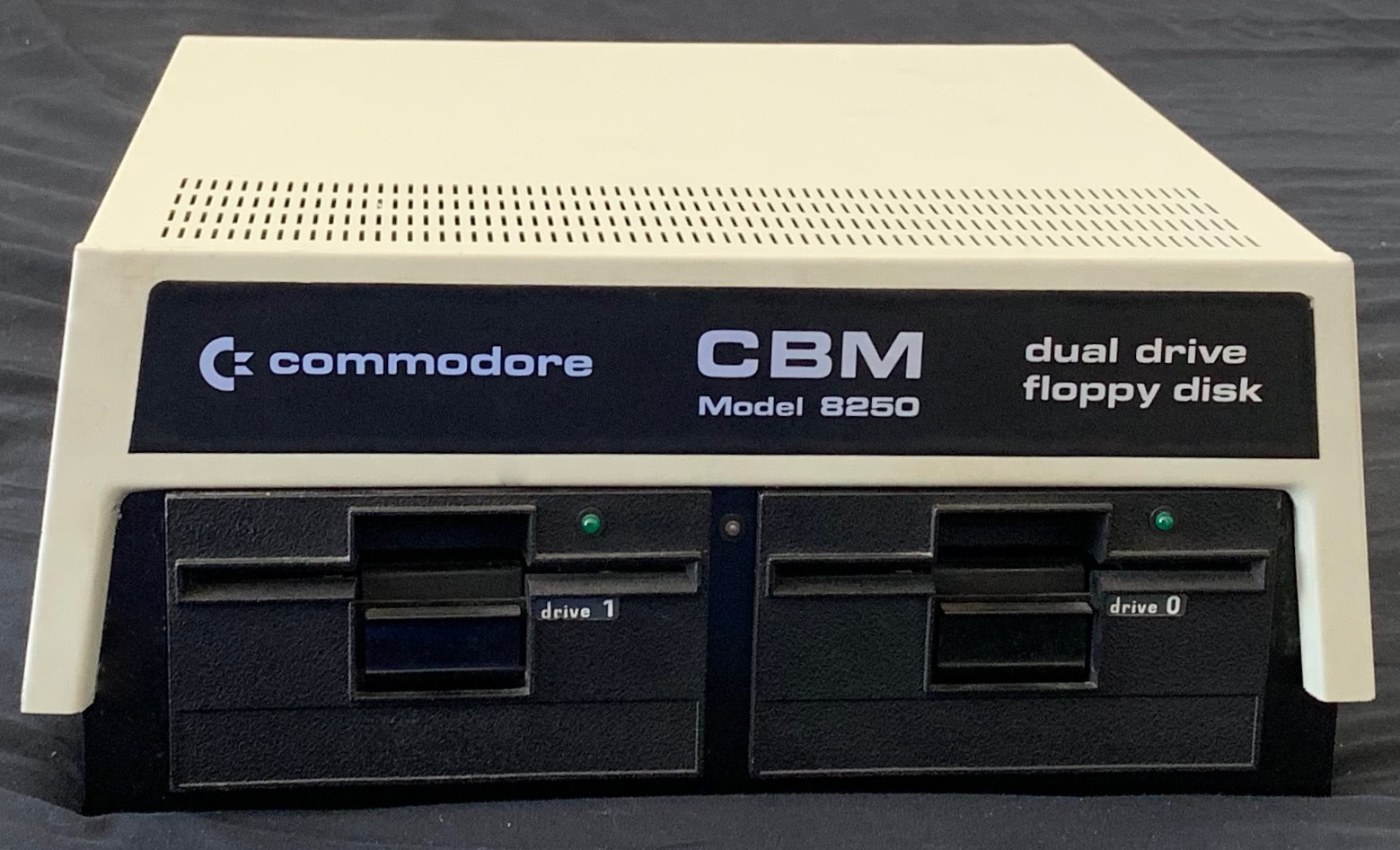
The Commodore 8250 was the high-end 5.25″ disk system for the Commodore PET, with two drives that could each fit 1 MB (4133 blocks free) on a standard disk. Here are some high-res pictures.